

Author: Hi, I'm Shivam Gupta, an experienced authority in HR technology and recruitment optimization with over a decade of experience transforming talent acquisition processes across the global market. Also, we are running another software development brand, Pitch N Hire
The logistics industry stands at a transformative crossroads as we approach the midpoint of the decade. Digital innovation has shifted from being a competitive advantage to an absolute necessity for survival in modern supply chain operations. Logistic software development companies have emerged as the architects of this revolution, building sophisticated platforms that power everything from last-mile delivery to complex international freight operations.
The acceleration of digital transformation in logistics has been remarkable. Companies that once relied on spreadsheets and manual coordination now leverage artificial intelligence, blockchain technology, and Internet of Things sensors to orchestrate global supply chains with unprecedented precision. This shift reflects a broader recognition that logistics is no longer simply about moving goods from point A to point B—it's about creating intelligent, self-optimizing networks that respond dynamically to disruption, anticipate demand fluctuations, and deliver seamless customer experiences.
Leading logistics software development services providers are responding to this moment by creating platforms that combine warehouse, transportation optimization, freight tracking, and predictive analytics into unified ecosystems. These solutions don't just digitize existing processes—they fundamentally reimagine how goods flow through the global economy. The companies that master this transformation will define the next era of commerce, while those that lag behind risk becoming obsolete in an increasingly automated, data-driven landscape.
Modern supply chains operate under extraordinary pressure. Consumer expectations have been permanently reshaped by the "Amazon effect," where same-day delivery and real-time tracking are baseline requirements rather than premium services. Simultaneously, logistics providers face volatile fuel costs, persistent labor shortages, geopolitical disruptions, and razor-thin profit margins that leave no room for operational inefficiency.
Custom logistics software development services address these challenges through systematic automation and intelligence. Real-time visibility platforms eliminate the information black holes that once plagued supply chains, allowing managers to track shipments across multiple modes of transport with granular precision. Predictive analytics transform reactive firefighting into proactive planning, enabling companies to anticipate bottlenecks, reroute shipments around disruptions, and optimize inventory placement before problems materialize.
The economic imperative is equally compelling. Research demonstrates that companies integrating artificial intelligence and IoT technologies into their logistics operations achieve operational cost reductions of up to twenty percent, alongside dramatic improvements in delivery accuracy and customer satisfaction. These aren't marginal gains—they represent the difference between profitability and failure in an industry where margins are measured in single-digit percentages. Automation through sophisticated logistics software reduces human error, accelerates order fulfillment, and enables companies to scale operations without proportionally increasing labor costs.
Beyond efficiency, logistics software development solutions create strategic capabilities that were previously impossible. Machine learning algorithms can now analyze millions of data points—weather patterns, traffic conditions, historical delivery times, seasonal demand fluctuations—to generate optimal routing strategies that human dispatchers could never conceive. Blockchain technology establishes tamper-proof audit trails that ensure product authenticity and regulatory compliance across complex international supply chains. IoT sensors embedded in containers and vehicles provide continuous monitoring of cargo conditions, automatically triggering alerts when temperature, humidity, or impact thresholds are exceeded.
The workforce dimension cannot be ignored. With logistics facing structural labor shortages in many developed economies, software-driven automation becomes essential for maintaining operational capacity. Warehouse systems coordinate human workers and robotic systems in synchronized workflows, maximizing throughput while reducing the physical demands on employees. Digital platforms enable smaller teams to manage larger, more complex operations through intelligent task prioritization and automated exception handling.

Digital transformation in logistics represents a comprehensive reimagining of how goods move through the economy. In transportation, cloud-based platforms developed by transport app development companies have replaced legacy systems that required expensive on-premise infrastructure and rigid configurations. Modern Transportation Systems orchestrate carrier selection, rate shopping, route optimization, and shipment tracking through unified interfaces that integrate seamlessly with enterprise resource planning systems.

The sophistication of these platforms is remarkable. Advanced algorithms evaluate hundreds of variables—delivery windows, vehicle capacity, driver hours, toll costs, fuel efficiency, traffic predictions—to generate optimal shipping plans that balance cost, speed, and reliability. When disruptions occur, these systems automatically recalculate routes and notify affected parties, transforming the supply chain from a reactive scramble into a proactive, adaptive process. Artificial intelligence continuously learns from historical performance, refining its recommendations based on which strategies actually deliver results in real-world conditions.
Warehousing has undergone perhaps the most dramatic transformation through warehouse software development companies. The concept of a "smart warehouse" once seemed futuristic, but has rapidly become mainstream in competitive markets. IoT sensors provide continuous visibility into inventory levels, environmental conditions, and equipment status. Radio Frequency Identification tags eliminate the need for manual stock checks, enabling automated inventory tracking that maintains accuracy rates above ninety-five percent.
Transportation software development services now orchestrate complex choreography between human workers, autonomous mobile robots, automated storage and retrieval systems, and conveyor networks. These platforms don't simply manage tasks—they optimize the entire operation in real-time, dynamically adjusting workflows based on current conditions. Order streaming technology replaces batch processing, continuously prioritizing fulfillment activities to minimize cycle times and maximize throughput.
The integration of robotics and automation has transformed warehouses from labor-intensive facilities into high-tech distribution centers. Autonomous mobile robots navigate dynamically through warehouse environments, transporting goods without human intervention. Pick-to-light systems guide workers through optimized picking paths, while automated packing stations adjust box sizes and packing materials based on shipment characteristics. Digital twin technology allows managers to visualize operations in real-time, monitoring performance metrics and identifying inefficiencies before they impact customer deliveries.
Freight has become increasingly sophisticated through the integration of IoT-enabled tracking and blockchain technology. Traditional freight forwarding relied on fragmented communication and paper documentation, creating information gaps that obscured shipment status and complicated exception management. Modern platforms established by freight software development companies create unified digital ecosystems where shippers, carriers, freight forwarders, and customs authorities share real-time information through secure, interoperable systems.
Blockchain technology addresses one of freight's most persistent challenges: establishing trust and transparency in transactions involving multiple parties across different jurisdictions. Smart contracts automatically execute payments when shipment milestones are verified, reducing disputes and accelerating cash flow. Immutable ledgers create tamper-proof records of cargo custody, ensuring compliance with regulatory requirements and enabling rapid resolution of claims when issues arise.
The convergence of these technologies creates supply chain ecosystems that are more resilient, efficient, and responsive than ever before. Cloud computing enables global coordination without the complexity of maintaining a distributed IT infrastructure. Big data analytics transform operational data into strategic intelligence, revealing patterns and opportunities that inform long-term planning. Mobile applications extend warehouse systems to the floor level, empowering frontline workers with real-time data and decision support tools.
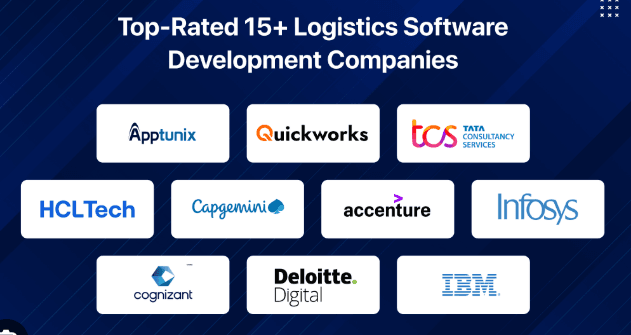
The logistics software development platform landscape features numerous capable providers, but certain companies have established themselves as industry leaders through decades of innovation, extensive client portfolios, and comprehensive platform capabilities. These organizations don't simply build software—they shape industry standards and define what's possible in supply chain technology. When evaluating the best logistic software development company options, these four providers consistently deliver exceptional results.

As the top logistic software development company for 2026, Appsierra has established itself as a global leader in custom logistics software development for seamless workflow and industry-relevant automation.
Expert Review & Rating:
Key Features:
Pros:
Cons:
Pricing: Affordable logistics software development with custom pricing based on project scope and a budget-friendly ethos. Preliminary analysis is provided to recommend the best-fit technology and services, ensuring you only pay for what matches your business needs. Clear understanding of logistics software development cost from the outset.
Case Study: A large logistics provider saw a 30% reduction in delivery delays and operational costs after integrating Appsierra's custom IoT-enabled logistics system, complete with real-time driver tracking, automated dispatch, and multi-level analytics dashboards.

Apptunix stands out as a custom logistic software development company known for scalable, secure, and future-ready logistics software development for startups and enterprises alike.
Expert Review & Rating:
Key Features:
Pros:
Cons:
Pricing: Tailored pricing based on complexity, with solutions for both quick MVPs and enterprise-scale apps. Clear, milestone-based billing and the ability to start small and scale. Transparent logistics software development cost structure.
Case Study: Apptunix delivered a cross-border logistics app for a mid-sized courier platform, resulting in 40% faster parcel delivery times and 25% higher on-time performance—powered by predictive ETAs and live fleet visibility.

Quickworks excels as a last-mile delivery software development company acclaimed for rapid app development and white-label logistics solutions.
Expert Review & Rating:
Key Features:
Pros:
Cons:
Pricing: Cost-effective subscription and project pricing structures. Entry-level solutions for digitization, with advanced modules available for growing platforms. Clear logistics software development cost transparency.
Case Study: Quickworks powered the launch of a leading Indian logistics startup, enabling 24/7 delivery with 99% order tracking accuracy. Their low-code deployment cut traditional development timelines by 70%.

Invonto specializes as a logistic software development company, a USA expert in workflow digitization and operational analytics.
Expert Review & Rating:
Key Features:
Pros:
Cons:
Pricing: Custom enterprise logistics software development project quotes, with phased workflow digitization available for minimizing budget risk.
Case Study: Invonto helped a supply chain operator digitize legacy workflows, resulting in a 50% drop in manual interventions and 2x faster inventory cycle time for temperature-sensitive products.
Fleet software development company solutions address one of logistics' most operationally intensive challenges: coordinating and optimizing vehicle operations across diverse geographic areas and operational requirements. Modern fleet tracking software development company platforms transform vehicle fleets from cost centers into strategic assets through comprehensive monitoring, predictive maintenance, and intelligent optimization.
Contemporary fleet systems developed through transportation software development services provide real-time tracking that leverages GPS technology and cellular connectivity to maintain continuous visibility into vehicle locations, routes, and status. This visibility extends beyond simple location data to encompass vehicle health metrics, driver behavior patterns, fuel consumption, and maintenance requirements. Telematics integration captures granular data from vehicle sensors, providing insights into engine performance, tire pressure, brake condition, and other critical systems.
Predictive analytics logistics software development capabilities represent a significant advancement beyond traditional schedule-based maintenance. By analyzing telematics data with machine learning algorithms, fleet software development company solutions can identify emerging mechanical issues before they cause breakdowns. This proactive approach minimizes unplanned downtime, reduces repair costs by addressing problems early, and improves safety by ensuring vehicles remain in optimal condition.
Route optimization software development company employs sophisticated algorithms that evaluate traffic conditions, delivery windows, vehicle capabilities, and fuel efficiency to generate optimal routing plans. These systems continuously recalculate routes based on real-time conditions, automatically rerouting vehicles around traffic congestion, accidents, or road closures. The fuel savings and time reductions achieved through intelligent routing often justify fleet software development system investments within the first year of operation.
Driver features through driver behavior monitoring software development facilitate scheduling, compliance monitoring, and performance evaluation. Electronic logging devices automatically track driver hours to ensure compliance with regulations governing rest periods and maximum driving time. The systems can monitor driver behavior, including harsh braking, rapid acceleration, excessive idling, and speeding, enabling coaching interventions that improve safety and reduce fuel consumption.
Maintenance scheduling software development functionality tracks service histories, schedules preventive maintenance, and manages parts inventory. Integration with service providers enables automated appointment scheduling and digital documentation of completed work. This systematic approach ensures vehicles receive proper maintenance while providing audit trails for regulatory compliance and warranty claims.
Fleet utilization analytics identify underutilized vehicles and optimization opportunities. By analyzing actual usage patterns against capacity, organizations can rightsize their fleets, redeploy vehicles to higher-demand areas, or identify opportunities to eliminate redundant assets. This data-driven approach to fleet sizing can reduce capital expenditures while improving service levels.
Mobile logistics app development company solutions extend fleet capabilities to drivers, providing turn-by-turn navigation, proof of delivery software development, customer communication tools, and exception reporting. This mobile connectivity eliminates the disconnect between dispatchers and drivers that plagued earlier generations of fleet operations, enabling real-time collaboration and rapid response to changing circumstances.
Warehouse system development company and warehouse automation software development company solutions represent the convergence of software intelligence and physical automation systems, creating distribution environments that operate with unprecedented efficiency and accuracy. Modern smart warehouse software development platforms coordinate human workers, robotic systems, and material handling equipment in synchronized workflows that maximize throughput while maintaining quality standards.
Core warehouse functionality through logistics software development services addresses receiving, putaway, inventory tracking software development company solutions, order picking, packing, and shipping processes through systematic workflow and real-time visibility. Barcode scanning and radio frequency identification technology eliminate manual data entry, ensuring inventory accuracy while accelerating transaction processing. The systems direct workers through optimized paths that minimize travel time and reduce physical strain.
Advanced slotting optimization through inventory optimization software development continuously analyzes product characteristics, demand patterns, and order profiles to determine optimal storage locations. Fast-moving items are positioned in easily accessible locations near shipping areas, while slower-moving products occupy less convenient positions. The systems account for product dimensions, weight, temperature requirements, and compatibility to maximize space utilization while maintaining operational efficiency.
Wave and order streaming capabilities developed by logistic software development company providers orchestrate fulfillment activities to balance workload, meet shipping deadlines, and optimize resource utilization. Traditional batch-oriented approaches processed orders in discrete waves that could create peaks and valleys in warehouse activity. Modern order streaming continuously releases work based on priorities, capacity, and deadlines, creating smoother operational flow and reducing order cycle times.
Integration with warehouse automation software development company systems represents a critical differentiating factor among warehouse platforms. Leading logistics software development solutions seamlessly coordinate autonomous mobile robots, automated storage and retrieval systems, conveyor networks, sortation equipment, and robotic picking systems. This coordination ensures automated equipment and human workers operate in harmony rather than competing for space and tasks.
Labor functionality goes beyond simple time tracking to provide standards-based productivity measurement, task optimization, and workforce planning. The systems monitor individual performance against engineered standards, identifying training opportunities and recognizing top performers. Artificial intelligence-assisted labor demand planning forecasts staffing requirements based on expected order volumes, enabling proactive schedule.
Yard capabilities extend warehouse control to the dock area and surrounding yard, managing trailer inventories, dock door assignments, and appointment scheduling. This functionality prevents congestion, reduces driver wait times, and ensures proper sequencing of inbound and outbound shipments.
Quality integration through logistics software development process enables inspection workflows, defect tracking, and compliance documentation. Products can be flagged for inspection based on supplier history, product type, or random sampling. The systems document quality checks and maintain audit trails that demonstrate regulatory compliance.
Cross-docking functionality developed through custom logistics software development services identifies shipments that can flow directly from receiving to shipping without intermediate storage, reducing handling costs and accelerating delivery. The systems coordinate inbound and outbound shipments to facilitate these direct transfers while maintaining visibility and control.
Digital transformation in warehousing through IoT logistics software development solutions increasingly incorporates Internet of Things sensors that monitor environmental conditions, track asset locations, and provide predictive insights. Temperature and humidity sensors ensure proper storage conditions for sensitive products. Occupancy sensors optimize space utilization. Equipment sensors identify maintenance needs before failures occur.
Real-time tracking software development company solutions and GPS tracking applications address the visibility gap that has historically plagued logistics operations. Modern real-time logistics tracking software development platforms provide comprehensive tracking across multiple transportation modes, enabling shippers, carriers, and customers to monitor shipment status from origin to final destination.
GPS tracking technology developed through transportation software development services provides continuous location updates for vehicles and shipments, creating geospatial visibility that enables precise estimated time of arrival calculations. The systems account for traffic conditions, weather, and historical performance data to generate realistic delivery predictions that customers can rely on. When delays occur, the platforms automatically update stakeholders and can trigger automated exception handling workflows.
Mobile logistics app development company solutions transform driver smartphones and tablets into powerful operational tools. Drivers receive optimized route guidance through dynamic routing logistics software development that adapts to real-time traffic conditions, automatically rerouting around congestion or accidents. Proof of delivery software development capabilities enable drivers to capture signatures, photos, and notes documenting successful deliveries. This digital documentation eliminates lost paperwork while providing immediate confirmation to shippers and customers.
Customer communication features provide proactive updates throughout the delivery lifecycle. Automated notifications inform customers when shipments are dispatched, out for delivery, and successfully completed. Many platforms developed by logistic software development company providers enable customers to track deliveries on maps, view driver locations, and receive estimated arrival windows. This transparency dramatically improves customer satisfaction while reducing the volume of "where's my order" inquiries to customer service centers.
Integration with carrier systems enables multimodal tracking across different transportation providers. Rather than requiring customers to access separate tracking interfaces for different carriers, unified supply chain integration software development platforms aggregate data from multiple sources into consistent interfaces. This integration extends to ocean freight, air cargo, rail transport, and final-mile delivery providers.
Exception functionality through logistics software development services automatically identifies shipments at risk of delay or other issues, triggering alerts to relevant stakeholders. Predefined workflows can initiate escalation procedures, alternative routing, or customer notification based on exception types and severity. This proactive management prevents minor issues from cascading into major service failures.
Geocoding and address validation capabilities ensure accurate delivery locations by standardizing addresses and identifying potential problems before dispatch. The systems can flag incomplete addresses, identify locations that require special access arrangements, or highlight delivery restrictions that might impact service.
Analytics capabilities through logistics software development with real-time tracking transform tracking data into operational intelligence. Organizations can analyze on-time performance trends, identify problematic lanes or carriers, and detect patterns that indicate systematic issues. This insight enables continuous improvement in carrier selection, routing strategies, and service level management.
Blockchain logistic software development company integration creates tamper-proof records of shipment custody and condition throughout the supply chain. Each handoff, inspection, or milestone is recorded in immutable ledgers that establish clear accountability and enable rapid dispute resolution. This technology proves particularly valuable in international logistics where shipments pass through multiple parties across different jurisdictions.
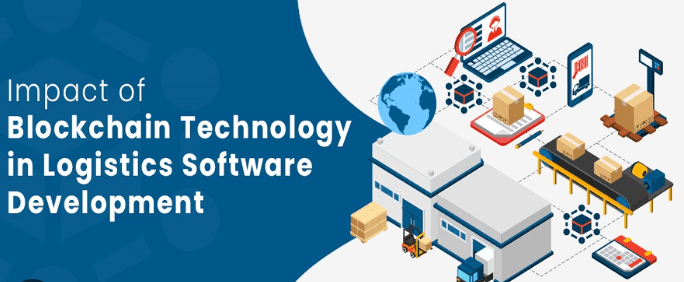
The integration of AI-powered logistics software development, blockchain logistics software development, and IoT logistics software development solutions represents the cutting edge of modern supply chain technology, enabling capabilities that fundamentally transform operations. These technologies work synergistically to create intelligent, transparent, and responsive logistics ecosystems.
Logistics software development with AI and machine learning applications span predictive analytics, optimization algorithms, and autonomous decision-making. Demand forecasting logistics software development models analyze historical sales data, seasonal patterns, promotional activities, economic indicators, and even social media sentiment to generate highly accurate predictions of future demand. These forecasts enable proactive inventory positioning, capacity planning, and resource allocation that minimize stockouts while avoiding excess inventory.
Route optimization software development company solutions represent one of AI's most impactful applications. Machine learning algorithms process vast datasets encompassing traffic patterns, weather forecasts, historical delivery times, vehicle characteristics, driver preferences, and customer requirements to generate optimal routing plans. These systems continuously learn from outcomes, refining their recommendations based on which strategies actually deliver superior performance in real-world conditions.
Predictive analytics logistics software development for maintenance leverages AI to analyze telematics data from vehicles and warehouse equipment, identifying patterns that precede mechanical failures. This capability enables proactive maintenance scheduling software development that prevents breakdowns, reduces repair costs, and improves safety. The systems learn to distinguish between normal operational variations and anomalies that indicate developing problems.
Computer vision applications through AI-powered logistics software development employ artificial intelligence to automate visual inspection tasks, optimize truck loading configurations, and enable autonomous logistics software development for warehouse robots. These systems can identify damaged products, verify packaging quality, read labels and barcodes, and ensure proper stacking patterns—all without human intervention.
Blockchain logistic software development company technology addresses trust and transparency challenges in multi-party logistics transactions. Smart contracts automatically execute when predefined conditions are verified, eliminating disputes about whether contractual obligations were met. Payments can be triggered automatically when blockchain records confirm delivery, accelerating cash flow while reducing administrative overhead.
Traceability applications leverage blockchain logistics software development to create comprehensive provenance records for products moving through supply chains. Each transaction, inspection, and custody transfer is recorded in tamper-proof ledgers that establish clear chains of custody. This capability proves invaluable for industries requiring customs compliance logistics software development, authenticity verification, or rapid recall execution.
Blockchain-enabled tracking systems developed through logistics software development with real-time tracking provide real-time visibility into shipment status while ensuring data integrity. IoT logistics software development solutions capture location, temperature, humidity, and impact data that flows into blockchain networks where it becomes immutable evidence of shipment conditions. This combination of IoT data capture and blockchain verification creates unprecedented transparency in freight software development company operations.
IoT-based fleet software development applications embed intelligence throughout logistics operations through networks of connected sensors and devices. Asset tracking tags provide real-time location visibility for containers, pallets, and individual products. Environmental sensors monitor temperature, humidity, and atmospheric conditions to ensure proper storage and transportation of sensitive goods. Vehicle routing and scheduling software sensors capture operational data that enables predictive maintenance and performance optimization.
Smart warehouse software development IoT applications include smart shelving systems that automatically detect inventory levels through inventory tracking software development company solutions, occupancy sensors that optimize space utilization, and equipment sensors that monitor material handling systems. This continuous data flow enables real-time operational visibility and autonomous optimization that was previously impossible.
The convergence of these technologies through comprehensive logistics software development services creates self-optimizing logistics networks that continuously improve without human intervention. Machine learning algorithms analyze data from IoT sensors, identify optimization opportunities, and automatically adjust operations. Blockchain logistics software development provides trust layers that enable autonomous transactions between organizations. Together, these technologies are building the foundation for supply chains that operate with unprecedented efficiency and resilience.

A leading global retailer partnered with a major logistics software development services provider to transform its supply chain operations through comprehensive digital innovation. The organization faced multiple operational challenges requiring scalable, AI-powered logistics software development solutions to optimize warehouse enhance logistics efficiency, and improve customer experiences.
The retailer's existing infrastructure struggled with high-volume data processing, inefficient fulfillment operations, and limited visibility across complex supply chain networks. Traditional systems couldn't keep pace with rapidly changing customer demands and the operational complexity of managing thousands of products across distributed distribution centers.
The solution involved a three-year transformation engagement providing over seven hundred active consultants working across key business areas. The logistics software development team designed and deployed a next-generation warehouse system development company solution built on microservices architecture to enhance replenishment and fulfillment visibility. This modern architecture enabled the flexibility and scalable logistics software development that monolithic legacy systems couldn't provide.
AI-driven catalog optimization represented a particularly innovative component of the transformation. The team retrained machine learning models to improve item attributes for five hundred million active catalog items, processing seventy million daily updates. This massive data processing capability ensured product information remained current and accurate across all sales channels through sophisticated logistics software development with AI and machine learning.
Route optimization initiatives delivered immediate operational benefits. The enhanced routing algorithms increased on-time deliveries by four percent while reducing driver incentive payouts by two and a half percent. These improvements resulted from sophisticated route optimization software development company solutions that balanced delivery speed, cost efficiency, and driver performance.
A new collaborative planning tool integrated merchandise, supply, and demand teams with financial planning processes. The system connected real-time operational data with over twenty-five hundred drivers for simulation and modeling, enabling planners to evaluate scenarios and make informed decisions about inventory positioning, capacity allocation, and resource deployment.
The transformation through custom logistics software development services resulted in significant business improvements across multiple dimensions. Supply chain performance improved through better coordination and visibility. Operational efficiency increased as automated processes replaced manual workflows. The organization's India Global Capability Center evolved into a high-performance innovation hub capable of driving continuous improvement initiatives.
An e-commerce logistics provider sought to eliminate the risks associated with face-to-face marketplace transactions while creating a comprehensive delivery dispatch software development platform that could serve both individual consumers and business customers. The challenge involved building a scalable logistics software development system supporting various vehicle types for different delivery sizes and complexities.
The solution involved developing a complete custom logistics software development application through a logistic software development company that incorporated advanced tracking capabilities providing transparent visibility into pick-ups, transit, and delivery stages. Real-time tracking software development company solutions eliminated the information gaps that created anxiety for marketplace buyers and sellers, replacing uncertainty with concrete visibility into shipment progress.
Secure electronic temporary escrow payment functionality addressed trust concerns in marketplace transactions. Rather than requiring buyers to pay sellers directly before inspecting goods, the system held funds in escrow until delivery was verified. This mechanism protected both parties—buyers retained recourse if items weren't as described, while sellers were assured of payment once legitimate delivery occurred.
In-app video verification features enabled buyers to inspect items before completing transactions. Delivery personnel could initiate video calls allowing buyers to examine products, verify condition, and confirm they matched marketplace descriptions. This capability dramatically reduced disputes while providing documentation if issues arose.
The logistics software development platform supported both individual marketplace transactions and business delivery solutions through flexible configuration options. Companies could use the system for regular delivery operations while marketplace users accessed it for one-time transactions. This versatility maximized platform utility while spreading logistics software development cost across multiple use cases.
Comprehensive driver systems through fleet software development company solutions provided twenty-four-hour availability and multi-vehicle coordination capabilities. The platform matched delivery requests with appropriate vehicles based on item size, weight, and urgency. Drivers received optimized routing guidance through vehicle routing and scheduling software and real-time updates about new opportunities, maximizing vehicle utilization while minimizing empty miles.
The solution developed through logistics software development services transformed risky online transactions into secure, transparent delivery experiences. Marketplace users gained confidence knowing their transactions were protected by escrow mechanisms and verification processes. The platform scaled from initial operations in Indianapolis to multiple U.S. cities, demonstrating its architectural soundness and operational viability through scalable logistics software development.
A major global manufacturer sought to optimize warehouse operations through advanced simulation modeling and strategic process redesign with support from a warehouse automation software development company. The organization operated a massive facility covering over one hundred thousand square meters, managing approximately five hundred thousand products across twelve pick zones with a workforce exceeding three thousand employees.
The challenge involved meeting strict customer service level agreements while reducing operational costs in an environment experiencing rapid e-commerce growth. Traditional operational methods couldn't sustain performance as order volumes increased and complexity intensified. The organization needed systematic approaches to test different operational strategies without disrupting live operations.
The solution through logistics software development services involved developing high-fidelity simulation models using specialized warehouse modeling software. The initial phase focused on accurately modeling existing warehouse processes and back-testing the model with real-world data to ensure accuracy through rigorous logistics software development process methodology. This calibration phase provided confidence in the model's behavior and established baseline performance metrics for comparison.
The second phase investigated trade-offs between different operational scenarios. Engineers tested dynamic wave-picking strategies that represented significant departures from existing batch-oriented approaches. The simulation environment enabled risk-free experimentation, allowing the logistics software development team to evaluate how different strategies would perform under various conditions without impacting customer deliveries.
The simulation identified optimal balances between resource allocation and operational speed. Rather than simply adding more workers or equipment, the analysis revealed strategic workflow adjustments that dramatically improved performance within existing resource constraints. This insight proved particularly valuable given the high costs of warehouse labor and automation equipment.
Implementation of dynamic waving models based on simulation insights delivered remarkable results. Order completion time decreased by over eight percent, representing substantial improvements in customer service. Resource utilization increased by nearly ten percent, meaning existing staff and equipment accomplished more work. Staffing requirements decreased by sixty-six employees, generating significant ongoing cost savings.
Cycle times for orders and batches shortened dramatically as continuous order streaming replaced batch processing. The facility processed orders more quickly while maintaining accuracy standards. These improvements translated directly to competitive advantages through faster delivery commitments and lower operating costs.
The project demonstrated how simulation technology through warehouse automation software development company expertise enables warehouse optimization that would be impossible through trial-and-error approaches in live environments. Organizations can test radical operational changes, evaluate multiple scenarios, and implement only the strategies that modeling proves will deliver results. This systematic approach to continuous improvement transforms warehouse operations from reactive management into proactive optimization.
Industry experts consistently emphasize that successful logistics software development implementation requires more than just technical capability—it demands deep logistics software development expertise that comes from years of experience solving real-world supply chain challenges. Consultants observe that the most effective logistic software development company providers speak the language of logistics, understanding the nuances that distinguish less-than-truckload from full-truckload operations, the complexities of international customs procedures, and the operational realities of warehouse floor operations.
The shift toward cloud-based logistics software development platforms represents one of the most significant trends identified by industry analysts. Traditional on-premise systems required substantial upfront capital investment, ongoing infrastructure maintenance, and disruptive upgrade cycles that created operational risk. Modern cloud solutions developed through logistics software development services eliminate these barriers while providing continuous feature enhancements that keep organizations on the cutting edge without implementation projects. Experts predict that over seventy-five percent of companies will adopt cloud computing services as fundamental platforms for digital transformation by the mid-decade.
AI-powered logistics software development and machine learning have transitioned from experimental technologies to essential capabilities that define competitive logistics operations. Consultants note that organizations leveraging predictive analytics logistics software development achieve dramatic improvements in forecast accuracy, route optimization software development company strategies, and resource allocation. The technology enables proactive management approaches that anticipate disruptions and optimize operations before problems materialize, replacing the reactive firefighting that characterized traditional logistics. Security and compliance considerations receive increasing emphasis from logistics software development services provider experts. With supply chains involving multiple parties across different jurisdictions, logistics software development platform solutions must address data protection regulations, cybersecurity threats, and industry-specific compliance requirements. Blockchain logistics software development company technology provides tamper-proof audit trails that satisfy regulatory requirements while enabling transparent collaboration between organizations that traditionally struggled to share information.
Consultants stress the importance of API integration logistics software development capabilities when evaluating logistics software platforms. Organizations operate diverse technology ecosystems including enterprise resource planning systems, customer relationship management platforms, and specialized operational systems. Supply chain integration software development must integrate seamlessly with these existing systems rather than creating information silos that require manual reconciliation. Application programming interfaces and standard data formats enable this integration, but successful implementation requires careful planning and expertise.
The human dimension of logistics technology receives particular attention from experienced consultants. Even the most sophisticated software fails if workers can't effectively use it. User interface design, mobile logistics app development company accessibility, and intuitive workflows dramatically impact adoption rates and operational effectiveness. Training requirements and change management processes prove as critical as technical implementation in determining project success.
Transportation and logistics companies consistently praise logistics software development company partners who demonstrate responsiveness, industry knowledge, and commitment to long-term relationships rather than transactional engagements. Client testimonials reveal patterns in what logistics operations value most from their logistics software development services provider partners.
A leading logistics service provider emphasized their logistics software development company partner's role as a business-critical investment rather than merely an operational expense. The organization noted that transportation system development software has become as essential to moving freight as physical tractors and trailers, representing a fundamental shift in how logistics companies view technology.
Regional logistics operations highlighted the comprehensive support that extends beyond initial implementation to ongoing optimization and problem-solving. One company described how their custom logistics software development company rescued operations after a previous technology vendor failed to deliver functional systems. The replacement implementation achieved full functionality within ninety days, demonstrating both technical capability and operational understanding of urgent business needs.
Transportation companies emphasize the importance of continuous innovation from logistics software development services providers. Testimonials note appreciation for partners who address the ever-changing needs of last-mile delivery software development company solutions through feature-rich platforms that enable scaling into multiple markets and different industry verticals. This adaptability proves essential as logistics operations expand and diversify.
Courier and messenger services praise logistics software development platform solutions that simplified complex operational requirements. Organizations note specific logistics software development features like the ability to import data from multiple customers, create necessary orders and route stops, reconcile matching parcels for exception reporting, and quickly dispatch drivers with correct manifests and accurate routing. These capabilities transformed chaotic operations into systematic processes that scale with volume growth.
Cloud migration testimonials highlight performance improvements when organizations transition from on-premise servers to cloud-based logistics software development platforms. Companies report that applications run faster and more reliably in cloud environments while eliminating the burden of maintaining physical infrastructure. The improved performance enables operations teams to process more orders with existing staff.
Hospital and laboratory courier operations emphasize custom logistics software development developments that address specialized industry requirements through logistics software development for healthcare solutions. Customized features for medical specimen transport, chain-of-custody documentation, and temperature-sensitive handling demonstrate how vertical-specific enhancements create value beyond generic logistics capabilities.
Common themes across client testimonials include appreciation for responsive support teams, regular communication throughout projects, and genuine partnership approaches where logistics software development services provider partners invest in understanding specific business challenges. Organizations value vendors who proactively suggest improvements rather than simply responding to feature requests.
The United States leads global logistics technology innovation through substantial investments in artificial intelligence, autonomous systems, and advanced analytics. American logistics software development company, USA providers pioneered many of the AI applications that now define cutting-edge supply chain operations, from predictive maintenance and demand forecasting to autonomous logistics software development and computer vision applications.
Major technology hubs including Silicon Valley, Boston, and Austin host concentrations of logistics software development company, USA organizations developing revolutionary capabilities. These organizations leverage America's deep talent pools in machine learning, data science, and software engineering to create platforms that optimize warehouse operations, coordinate autonomous delivery fleets, and enable intelligent supply chain orchestration.
Autonomous logistics software development technology represents a particular area of American leadership. Companies have deployed Level Four autonomous trucks serving middle-mile freight routes, connecting warehouses, retailers, and fulfillment centers with driverless commercial deliveries. These implementations reduce costs and boost reliability in last-mile delivery software development company operations while addressing persistent driver shortage challenges.
Warehouse automation software development company leaders provide AI-powered logistics software development robotics platforms including autonomous pallet trucks, tuggers, and sophisticated retrieval systems that seamlessly integrate with warehouse workflows. Major manufacturers, distributors, and logistics providers report strong efficiency gains and improved throughput from these intelligent automation solutions.
The American logistics software development services market reflects the country's position as the world's largest consumer economy and most complex logistics environment. Companies require solutions that handle enormous scale, regulatory complexity, and demanding customer expectations for rapid delivery and perfect execution. This environment drives innovation as vendors compete to provide ever-more sophisticated capabilities.
Labor costs and market dynamics create strong incentives for automation logistics software development company solutions and efficiency improvements. American logistics operations face higher wage rates than most international markets, making technology investments that reduce labor requirements particularly attractive. The business case for warehouse automation software development company solutions, transportation optimization, and intelligent routing is often compelling even with relatively short payback periods.
However, American logistics software development company, USA development carries the highest logistics software development cost globally due to premium developer salaries, expensive infrastructure, and sophisticated technical requirements. Organizations building custom logistics software development platforms in the United States typically invest substantially more than comparable projects in other regions, though the logistics software development timeline often accelerates due to proximity and communication efficiency.
India has established itself as the premier destination for affordable logistics software development and logistics software development services India solutions, combining deep technical talent pools with dramatically lower labor costs than Western markets. Logistics software development company in India providers can deliver development that costs sixty percent less than equivalent American implementations while maintaining quality standards that meet international requirements.
The country's information technology ecosystem rivals any in the world, with major technology centers in Bangalore, Hyderabad, Pune, and the National Capital Region supporting hundreds of thousands of skilled developers. Logistics software development company in India engineers demonstrate expertise in advanced technologies including AI-powered logistics software development, machine learning, cloud-based logistics software development, and mobile logistics app development company solutions—all critical capabilities for modern logistics software.
India's booming e-commerce sector and rapidly modernizing supply chains create domestic demand for sophisticated logistics software development for e-commerce and logistics software development for retail solutions, ensuring that logistics software development company in India providers understand real-world operational requirements. This combination of technical capability and practical logistics knowledge makes India particularly attractive for organizations seeking to build custom logistics software development platforms.
Cost structures in logistics software development services India enable comprehensive logistics software development platform creation at price points that would cover only basic implementations in Western markets. Organizations can build feature-rich platforms incorporating AI-powered logistics software development, real-time tracking software development company solutions, warehouse automation software development company integration, and predictive analytics logistics software development within budgets that constrain projects in higher-cost regions.
Logistics software development company in India providers offer end-to-end logistics software development services encompassing strategy, design, development, testing, deployment, and ongoing support. Many organizations establish long-term partnerships with Indian vendors, treating them as extended logistics software development team members rather than transactional service providers.
The quality and reliability of logistics software development services India have improved dramatically as companies invest in process maturity, quality management systems, and international certifications. Leading logistics software development company in India vendors operate at capability maturity model integration levels that demonstrate world-class software engineering practices.
Time zone differences between logistics software development services India and Western markets create opportunities for around-the-clock development cycles. Organizations can review work completed overnight and provide feedback that guides the next development sprint, accelerating logistics software development timeline compared to single-location teams.
Infrastructure improvements including reliable internet connectivity, modern office facilities, and stable power systems have eliminated many of the operational challenges that once concerned organizations considering logistics software development services India outsourcing. Major technology centers offer infrastructure quality comparable to developed markets, making hire a logistics software development company decisions easier.
The United Kingdom and broader European market represent sophisticated logistics software development company UK and logistics software development company in Europe environments characterized by complex regulatory requirements, diverse languages and currencies, and demanding sustainability expectations. European logistics operations increasingly adopt smart supply chain automation logistics software development company solutions that combine warehouse robotics, IoT logistics software development solutions, transportation optimization, and comprehensive supply chain visibility software development platforms.
Brexit's impact on logistics software development company UK operations created immediate imperatives for digital transformation. The exodus of European Union workers and subsequent labor shortages made warehouse automation software development company solutions essential for maintaining operational capacity. E-commerce growth exceeding thirty percent of retail sales intensified pressure for warehouse automation software development company and efficient fulfillment operations.
Logistics software development company in Europe regulations including data protection requirements and environmental sustainability mandates shape logistics software development in the region. Platforms developed by logistics software development company UK providers must demonstrate compliance with privacy laws governing data collection, storage, and sharing. Sustainable logistics software development tracking capabilities enable organizations to monitor and report carbon emissions, optimize routes for fuel efficiency, and document environmental performance.
Warehouse automation software development company solutions in the United Kingdom emphasize technology that addresses labor shortages while accommodating existing infrastructure constraints. Many European warehouses occupy older buildings in urban areas where space limitations prevent greenfield automation deployments. Logistics software development solutions must coordinate automation within physical constraints that don't exist in purpose-built facilities.
Logistics software development company in Europe vendors emphasize intelligence and adaptability that enables operations to respond to disruption and changing demand patterns. Real-time tracking software development company solutions, predictive analytics logistics software development, and autonomous optimization help organizations navigate complex, multi-country supply chains where delays at border crossings or regulatory changes can cascade through networks.
The region's strong emphasis on sustainable logistics software development drives demand for logistics software development features that optimize environmental performance. Route optimization software development company algorithms account for emissions, warehouse system development company solutions minimize energy consumption, and reporting capabilities track carbon footprints across supply chain activities. These capabilities align with corporate sustainability commitments and regulatory requirements.
Logistics software development company UK and logistics software development company in Europe development costs fall between American premium pricing and logistics software development services India cost-efficiency. Organizations typically invest substantial amounts for comprehensive logistics software development platform solutions but less than comparable American implementations, balancing logistics software development cost with proximity and regulatory alignment.
The United Arab Emirates and Saudi Arabia represent rapidly growing logistics software development services markets driven by economic diversification initiatives, massive infrastructure investments, and strategic positions in international logistics software development trade routes. Both countries have prioritized digital transformation as essential components of broader economic modernization agendas.
Saudi Arabia's logistics software development services market is expanding at remarkable rates, driven by increasing international trade, infrastructure development, and Vision 2030 initiatives aimed at diversifying the economy beyond petroleum. Nearly eighty percent of regional logistics companies have implemented or plan to adopt digital logistics software development platform solutions, reflecting widespread recognition that automation and optimization are essential for competitive operations.
The benefits of logistics software development solutions in these markets prove particularly compelling. Real-time tracking software development company data enables companies to track shipments, manage routes effectively, and respond rapidly to customer demands. Interconnected networks of devices and applications provide analytical insights that facilitate demand forecasting logistics software development, supply chain integration software development, and disruption mitigation.
Freight forwarding software development addresses the complex documentation, customs compliance logistics software development, and multi-modal coordination requirements of international logistics software development trade. Platforms must handle air, sea, and land freight operations with end-to-end visibility and complete operational control. Integration with customs authorities enables digital document submission, automated compliance checking, and streamlined clearance processes.
Regulatory compliance represents a particular focus in these markets. Saudi Arabia's electronic invoicing mandates require structured invoice generation, cryptographic stamps, and real-time data reporting to tax authorities. Logistics software development platform solutions must incorporate these customs compliance logistics software development capabilities or risk creating operational barriers for customers.
The region's position as a global shipping hub connecting Asia, Europe, and Africa creates demand for sophisticated container management, vessel scheduling coordination, and port operations integration. Freight software development company platforms must handle the complexity of international logistics software development cargo movements involving multiple carriers, customs jurisdictions, and regulatory frameworks.
Enterprise logistics software development company integration proves essential for organizations operating in these markets. Logistics software development solutions must connect seamlessly with financial systems, procurement platforms, and business intelligence tools to provide unified visibility across operations through comprehensive supply chain integration software development.
Cloud-based logistics software development deployment options accommodate varying infrastructure capabilities and organizational preferences. Some organizations prefer on-premise deployments for control and data sovereignty, while others embrace cloud hosting for scalable logistics software development and reduced infrastructure burden, balancing logistics software development cost considerations with operational requirements.
Canada and Australia represent mature logistics software development company in Canada and logistics software development company in Australia markets embracing IoT-based fleet management software development and IoT logistics software development solutions to optimize warehouse operations, enhance supply chain visibility, and improve inventory tracking software development company management. Both countries face similar challenges including vast geographic distances, distributed populations, and the need to coordinate complex supply chains across multiple time zones.
IoT logistics software development solutions adoption in Canadian warehouse is driven by increasing needs for operational efficiency, real-time logistics tracking software development, and automation logistics software development company solutions. Technological advancements in sensors, radio frequency identification, and cloud-based logistics software development facilitate seamless data collection and analysis that enhances decision-making processes through sophisticated logistics software development platform capabilities.
Industry Four-point-Zero practices encourage IoT logistics software development solutions integration to optimize supply chain integration software development operations. The expanding e-commerce sector fuels demand for sophisticated warehouse system development company solutions leveraging IoT for faster order fulfillment and inventory tracking software development company visibility. Government initiatives supporting digital transformation and smart infrastructure investments further accelerate adoption.
Investment opportunities in IoT-based fleet software development include deploying advanced sensor technologies and RFID systems to enhance inventory accuracy and real-time tracking software development company solutions. Cloud-based logistics software development platforms offer scalable logistics software development solutions for data management and analytics, enabling better supply chain visibility software development. Automation logistics software development company technologies including robotics and autonomous logistics software development vehicles present promising avenues for reducing labor costs and increasing throughput.
Cybersecurity solutions tailored for IoT logistics software development solutions environments create opportunities for specialized service providers as organizations recognize that connected devices introduce new attack surfaces. Integration of AI-powered logistics software development and logistics software development with AI and machine learning with IoT systems enables optimization of warehouse operations through predictive analytics logistics software development insights and autonomous adjustments.
Infrastructure upgrades supporting fifth-generation connectivity open new avenues for real-time logistics tracking software development and remote management. The enhanced bandwidth and reduced latency of 5G networks enable more sophisticated IoT logistics software development solutions including high-definition video analytics, real-time fleet visibility software development, coordination of autonomous logistics software development vehicles, and instantaneous exception alerting.
Challenges hindering widespread adoption include high logistics software development cost that creates barriers for logistics software development for small businesses. Data security and privacy concerns pose significant risks, especially with sensitive inventory and operational data transmitted across networks. Interoperability issues among diverse IoT logistics software development solutions devices and legacy systems complicate supply chain integration software development efforts.
Workforce considerations prove important as shortages of skilled professionals proficient in IoT-based fleet software development technologies limit deployment and maintenance capabilities. Organizations must invest in training programs that develop internal logistics software development team expertise or rely on external partners from a logistics software development company in Canada or logistics software development company in Australia with specialized knowledge.
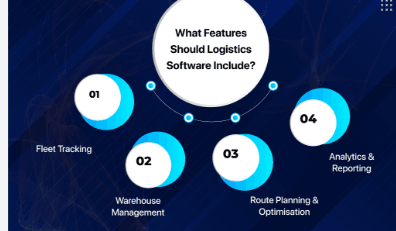
Cloud-based logistics software development has fundamentally transformed logistics software architecture, replacing expensive on-premise infrastructure with scalable logistics software development platforms that adapt to changing business requirements. Modern cloud-based logistics software development solutions enable organizations to manage supply chains, transportation, and inventory tracking software development company operations in real-time using distributed computing resources that eliminate capital expenditures and reduce operational complexity.
The shift to cloud-based logistics software development platforms addresses multiple pain points that plagued traditional logistics software development solutions. Hardware and network devices become software abstractions managed by cloud providers, eliminating the need for server rooms, cooling systems, and extensive cabling infrastructure. Organizations pay only for resources actually utilized rather than investing in capacity to handle peak loads that occur infrequently.
Automatic updates through logistics software development services ensure organizations always operate on current software versions with access to newest logistics software development features and capabilities. This continuous improvement model eliminates the disruptive upgrade cycles that characterized traditional software, where major version changes required expensive consulting engagements and operational downtime.
Scalable logistics software development represents perhaps the most compelling advantage of cloud-based logistics software development platforms. Organizations can expand operations into new regions, add warehouses, or increase transaction volumes without worrying about system capacity constraints. Cloud infrastructure automatically provisions additional resources to handle demand spikes, then scales back during quieter periods to minimize logistics software development cost.
Real-time logistics tracking software development across distributed operations becomes practical through cloud-based logistics software development platforms that provide unified data access regardless of geographic location. Warehouse managers in different countries access the same systems and data, enabling coordination that would be impractical with fragmented on-premise installations. This global visibility proves essential for organizations managing complex international logistics software development supply chains.
API integration logistics software development capabilities enable cloud-based logistics software development platforms to connect with enterprise resource planning systems, customer relationship platforms, logistics software development for e-commerce solutions, and carrier networks through application programming interfaces and standard data formats. This connectivity creates comprehensive digital ecosystems where information flows seamlessly between systems through supply chain integration software development.
Collaboration features extend beyond organizational boundaries to include suppliers, carriers, and customers in unified logistics software development platform solutions. Freight forwarders can share shipment status with clients through freight software development company systems, manufacturers can provide suppliers with demand forecasts, and carriers can receive automated tender notifications—all through secure cloud interfaces that eliminate email chains and phone calls.
Affordable logistics software development efficiency stems from multiple factors. Organizations eliminate hardware purchases, infrastructure maintenance, and the information technology staff required to manage on-premise systems. Cloud providers achieve economies of scale impossible for individual organizations, passing savings to customers through competitive pricing. Pay-as-you-go models align logistics software development cost with actual usage rather than requiring upfront capital commitments.
Disaster recovery and business continuity improve dramatically with cloud-based logistics software development platforms. Data replicates automatically across multiple geographic locations, ensuring operations can continue even if individual data centers experience outages. This resilience would require substantial investment to achieve with on-premise infrastructure.
AI-powered logistics software development and big data analytics have transitioned from experimental technologies to essential capabilities that define competitive logistics operations through comprehensive logistics software development with AI and machine learning. Organizations leveraging these capabilities achieve dramatic improvements in forecast accuracy, route optimization software development company strategies, resource allocation, and exception management that translate directly to cost reductions and service improvements.
Predictive analytics logistics software development applications transform reactive problem-solving into proactive management. Machine learning models analyze historical shipment data, weather patterns, traffic conditions, and seasonal trends to forecast delivery times with remarkable accuracy. When these predictions indicate potential delays, systems automatically trigger mitigation strategies including route changes, carrier substitutions, or customer notifications.
Demand forecasting logistics software development leverages AI to predict future requirements based on complex interactions between multiple variables. Rather than relying on simple trend projections, sophisticated logistics software development with AI and machine learning models account for promotional activities, economic indicators, competitive actions, social media sentiment, and dozens of other factors that influence customer behavior. This enhanced forecast accuracy enables optimal inventory optimization software development positioning that minimizes both stockouts and excess inventory.
Route optimization software development company solutions employ algorithms that evaluate millions of potential routing combinations to identify optimal strategies. These systems consider vehicle routing and scheduling software capacity, delivery windows, traffic predictions, fuel management software development costs, driver hours, and customer priorities to generate plans that human dispatchers could never conceive. Continuous learning through logistics software development with AI and machine learning enables the algorithms to improve over time, incorporating lessons from previous successes and failures.
Predictive analytics logistics software development for maintenance applications analyze telematics data from vehicles and warehouse equipment to identify patterns that precede mechanical failures. Organizations can schedule maintenance scheduling software development proactively, preventing breakdowns that cause service disruptions and expensive emergency repairs. This capability extends to warehouse automation software development company systems where unplanned equipment downtime directly impacts fulfillment capacity.
Big data platforms aggregate information from diverse sources including IoT logistics software development solutions sensors, transaction systems, external data feeds, and partner networks. This unified data foundation enables comprehensive analytics that reveal relationships and patterns invisible when data remains siloed. Logistics managers gain insights into network efficiency, carrier performance, seasonal trends, and customer behavior that inform strategic decision-making through logistics software development with AI and machine learning.
Real-time logistics tracking software development analytics capabilities process data streams from active shipments, warehouse system development company operations, and transportation networks to provide immediate visibility into current conditions. When metrics deviate from expected ranges, automated alerts notify relevant personnel or trigger predefined response workflows. This capability enables rapid response to emerging issues before they impact customer service.
Prescriptive analytics goes beyond predicting outcomes to recommend specific actions that optimize results. Rather than simply forecasting that a particular route will experience delays, prescriptive systems developed through logistics software development services recommend alternative routings, suggest carrier substitutions, or propose schedule adjustments—complete with quantified impact assessments that enable informed decision-making.
Natural language processing enables conversational interfaces where users can query logistics data using plain language rather than learning complex reporting tools. Users can ask questions like "Which carriers had the worst on-time performance last month?" and receive immediate answers with supporting visualizations. This accessibility democratizes data access throughout organizations.
Blockchain logistics software development company technology addresses fundamental trust and transparency challenges that have historically complicated logistics operations involving multiple parties across different organizations and jurisdictions. Distributed ledger systems developed through blockchain logistics software development create tamper-proof records of transactions, custody transfers, and shipment conditions that all participants can access while maintaining data integrity.
Smart contracts represent particularly powerful applications of blockchain logistics software development in logistics. These self-executing agreements automatically trigger payments, release shipments, or initiate other actions when predefined conditions are verified. For example, payment can automatically transfer from buyer to seller when blockchain records confirm delivery, eliminating disputes about whether contractual obligations were met.
Traceability applications leverage blockchain logistics software development company technology to create comprehensive provenance records for products moving through supply chains. Each transaction, inspection, quality check, and custody transfer is recorded in immutable ledgers that establish clear chains of custody. This capability proves invaluable for industries requiring authenticity verification, customs compliance logistics software development, or rapid recall execution.
Pharmaceutical supply chains use blockchain logistics software development to combat counterfeit medications by creating verifiable records of product origins and distribution paths. Food safety applications enable rapid identification of contamination sources by tracing affected products back through distribution networks to specific production facilities or suppliers. These capabilities can literally save lives by accelerating recall processes from weeks to hours.
IoT logistics software development solutions integration combines sensor data capture with blockchain logistics software development verification to create unprecedented transparency in freight software development company operations. Temperature sensors in refrigerated containers continuously record conditions throughout transit. These readings flow into blockchain networks where they become immutable evidence of proper handling. If products arrive damaged due to temperature excursions, blockchain logistics software development records provide clear evidence of when and where problems occurred.
International logistics software development documentation represents another compelling blockchain logistics software development company application. Traditional freight operations involve extensive paperwork including bills of lading, commercial invoices, packing lists, certificates of origin, and customs compliance logistics software development declarations. Blockchain logistics software development platforms digitize these documents while ensuring authenticity and preventing tampering. All parties in the supply chain access current document versions, eliminating the delays and errors associated with paper-based processes.
Customs compliance logistics software development clearance processes benefit from blockchain logistics software development's ability to provide verified documentation and transparent transaction histories. Customs authorities can access comprehensive shipment records including origins, previous inspections, and compliance certifications without requiring importers to compile and submit paper documentation. This streamlining accelerates clearance while reducing administrative burden.
Dispute resolution becomes simpler when all parties share access to identical, tamper-proof records through blockchain logistics software development company systems of what actually occurred during shipment. Rather than arguing about conflicting documentation or unreliable memories, organizations can reference blockchain logistics software development records that definitively establish what happened. This transparency reduces legal costs while accelerating settlements.
Sustainable logistics software development applications leverage blockchain logistics software development to create verifiable carbon footprint documentation. Organizations can track emissions associated with specific shipments, aggregate environmental impact data, and provide customers with verified sustainability reports. This capability supports corporate environmental commitments while addressing growing regulatory requirements for emissions reporting.

Logistics software development cost varies dramatically based on project scope, logistics software development features complexity, technology requirements, and geographic location of logistics software development team members. Organizations considering custom logistics software development platforms must understand different pricing models and their implications for project management and risk allocation when working with a logistics software development company.
Hourly billing represents the most flexible pricing approach, where organizations pay for actual logistics software development team developer time invested in projects. This model works well for projects with uncertain scope, evolving requirements, or exploratory development where precise estimates are impossible. Hourly rates reflect developer skill levels, with senior architects and specialized experts commanding premium rates compared to junior developers in a logistics software development services provider organization.
Project-based pricing establishes fixed logistics software development cost for defined deliverables and logistics software development timeline. Logistics software development company providers estimate total effort required, then propose comprehensive prices covering analysis, design, development, testing, and deployment. This approach provides cost certainty but requires detailed requirements definition before development begins. Scope changes during development typically trigger change orders that adjust prices.
Dedicated logistics software development team models assign specific developers exclusively to client projects for defined periods. Organizations essentially rent development capacity on monthly or quarterly bases, gaining access to skilled resources without the overhead of permanent employment. This approach suits organizations requiring ongoing logistics software development services and support rather than discrete projects with clear endpoints.
Simple logistics applications with basic logistics software development features including order tracking, shipping scheduling, and delivery management typically require investments in the range of several thousand dollars. These entry-level logistics software development for small businesses platforms provide foundational capabilities suitable for small operations with straightforward requirements.
Mid-complexity logistics software development platform solutions incorporating premium logistics software development features like route optimization software development company capabilities, multi-channel supply chain integration software development, real-time tracking software development company solutions, and warehouse system development company functionality require substantially larger investments. These systems address more sophisticated operational requirements while providing scalable logistics software development for growing organizations.
Enterprise logistics software development company management systems with comprehensive capabilities including AI-powered logistics software development, IoT logistics software development solutions, blockchain logistics software development, and full enterprise resource planning supply chain integration software development represent major investments. These platforms address the complex requirements of large organizations managing international logistics software development supply chains with millions of transactions annually.
Backend development costs reflect the infrastructure required to support logistics applications including databases, application servers, integration middleware, and cloud-based logistics software development hosting platforms. These components must handle transaction volumes, maintain performance under load, and provide security appropriate for sensitive business data.
User interface design impacts logistics software development cost based on complexity, customization requirements, and the number of distinct user roles requiring tailored interfaces. Consumer-facing real-time tracking software development company applications require polished, intuitive designs that minimize training requirements. Internal warehouse system development company interfaces prioritize efficiency and information density over aesthetic refinement.
Mobile logistics app development company solutions add costs when logistics software development platform solutions require iOS and Android versions. Cross-platform development frameworks can reduce these costs by enabling single codebases that deploy to multiple platforms, though some functionality may require platform-specific implementation, affecting the overall logistics software development timeline.
Geographic location of logistics software development team members dramatically impacts logistics software development cost due to variations in labor rates, infrastructure expenses, and market dynamics. Organizations can achieve substantial savings by engaging affordable logistics software development partners in cost-efficient regions while maintaining quality standards.
Logistics software development company, USA development represents the premium end of the pricing spectrum due to high developer salaries, expensive infrastructure, and sophisticated market requirements. American logistics software development services typically requires investments substantially higher than comparable projects in other regions. These premium costs reflect access to cutting-edge logistics software development expertise, proximity for collaboration, and deep understanding of American regulatory and operational environments.
Logistics software development services India provides the most cost-effective option, with total logistics software development cost often sixty percent below American equivalents. This dramatic cost advantage stems from lower labor rates, favorable currency exchange rates, and economies of scale in India's massive technology sector. Organizations can build comprehensive logistics software development platform solutions through a logistics software development company in India at price points that would fund only basic implementations in Western markets.
Logistics software development company UK costs fall between American premium pricing and logistics software development services India efficiency, reflecting developed market wage rates while avoiding the absolute highs of American compensation. Logistics software development company in Europe generally aligns with UK pricing, though specific countries may offer modest advantages. These markets combine reasonable logistics software development cost with strong technical capabilities and cultural alignment with Western business practices.
Middle Eastern logistics software development services costs reflect the region's economic characteristics and emerging technology sectors. Saudi Arabian logistics software development company development typically requires investments comparable to or moderately below American levels. United Arab Emirates pricing similarly reflects developed market conditions. These costs purchase access to developers familiar with regional regulatory requirements, language considerations, and business practices.
Logistics software development company in Australia costs align closely with American pricing due to similar wage structures and market dynamics. Logistics software development company in Canada costs generally fall slightly below American levels while maintaining comparable logistics software development expertise and quality standards.
Quality considerations complicate simple logistics software development cost comparisons. The cheapest option from an affordable logistics software development company rarely delivers optimal value when inadequate expertise leads to rework, performance problems, or security vulnerabilities that create long-term costs exceeding initial savings. Organizations must balance affordable logistics software development with demonstrated capability, relevant experience, and cultural fit when they hire a logistics software development company.
Communication overhead increases with geographic and cultural distance. Time zone differences can slow collaboration and decision-making when logistics software development team members and business stakeholders cannot interact in real-time. Language barriers occasionally create misunderstandings that require additional clarification cycles. These factors may extend logistics software development timeline even when hourly rates appear attractive.
Infrastructure and operational maturity affect project success beyond nominal logistics software development cost. Logistics software development services provider partners with robust quality management systems, established logistics software development process methodologies, and proven delivery track records reduce risk even when charging premium rates. Conversely, inexperienced vendors offering suspiciously low pricing often lack the organizational capabilities to deliver complex custom logistics software development projects successfully.
Selecting the best logistics software development company represents a strategic decision with long-term implications for operational efficiency and competitive positioning. Organizations must evaluate potential vendors across multiple dimensions to identify partners capable of delivering sophisticated logistics software development platform solutions that address current needs while accommodating future growth.
Logistics software development expertise ranks as perhaps the most critical evaluation criterion. Generic software development capability proves insufficient for logistics software development solutions that must address industry-specific challenges including carrier integration, customs compliance logistics software development, warehouse system development company workflow optimization, and freight documentation. The ideal logistics software development company demonstrates deep understanding of supply chain operations through relevant portfolio projects, industry certifications, and logistics software development team members with logistics backgrounds.
Technical proficiency must encompass the modern technology stack required for competitive logistics software development platform solutions. Cloud-based logistics software development expertise enables scalable logistics software development solutions that avoid on-premise infrastructure limitations. IoT logistics software development solutions capabilities support asset tracking, environmental monitoring, and equipment integration. AI-powered logistics software development and logistics software development with AI and machine learning expertise enables predictive analytics logistics software development, intelligent optimization, and autonomous decision-making. Blockchain logistics software development company knowledge addresses transparency and trust requirements in multi-party transactions.
Portfolio evaluation reveals whether vendors possess relevant logistics software development expertise through case studies demonstrating measurable results. Strong portfolios showcase projects that delivered quantified improvements—reduced fuel consumption through route optimization software development company solutions, decreased inventory carrying costs through demand forecasting logistics software development, or improved on-time delivery through predictive analytics logistics software development. Generic descriptions of completed projects without performance metrics provide little meaningful insight into capability.
Scalable logistics software development considerations ensure logistics software development platform solutions accommodate growth without architectural limitations. Systems designed for small operations often fail when transaction volumes increase dramatically, requiring expensive rebuilds that could have been avoided with proper initial architecture. Top logistics software development companies should articulate how their proposed solutions will scale as organizations expand geographically, add products, or increase order volumes.
Security expertise proves non-negotiable given the sensitive nature of logistics data and the severe consequences of breaches. Logistics software development services provider partners must demonstrate understanding of encryption, authentication, authorization, intrusion detection, and vulnerability management. Compliance with relevant standards including data protection regulations, industry security frameworks, and payment card security requirements should be documented through certifications or audit reports.
API integration logistics software development and supply chain integration software development capabilities determine how effectively logistics software development platform solutions connect with existing enterprise systems. Most organizations operate enterprise resource planning systems, customer relationship management platforms, logistics software development for e-commerce solutions, and specialized operational tools that must exchange data with logistics software. Application programming interface design expertise, experience with enterprise integration patterns, and familiarity with common business systems all indicate integration competency.
Support models and service level commitments affect long-term relationships beyond initial implementations. Organizations require ongoing maintenance, bug fixes, performance optimization, and logistics software development features enhancements as operations evolve. Clear support agreements establishing response times, escalation procedures, and availability commitments provide assurance that the logistics software development company will remain engaged after deployment.
Communication practices and logistics software development process methodologies impact collaboration effectiveness. Agile development approaches enable iterative progress with regular feedback cycles, reducing risk that final deliverables miss requirements. Transparent project management tools provide visibility into progress, issues, and logistics software development timeline. Regular status updates and accessible project managers facilitate coordination throughout the logistics software development process.
Common mistakes when selecting logistics software development services partners create significant risks including project delays, cost overruns, and inadequate logistics software development solutions that fail to deliver business value. Understanding these pitfalls enables organizations to avoid costly errors when they hire a logistics software development company.
Prioritizing logistics software development cost over value represents perhaps the most dangerous mistake. Suspiciously low pricing from an affordable logistics software development company typically indicates corner-cutting on testing, security, talent quality, or project management that creates long-term costs exceeding initial savings. Quality custom logistics software development requires skilled professionals, comprehensive testing, proper security implementation, and robust project management—all of which cost money. Organizations should seek fair value rather than minimum price when they hire a logistics software development companyate vendor vetting leads to partnerships with developers lacking necessary logistics software development expertise or organizational capability. Thorough evaluation should examine portfolios for relevant experience, check references with previous clients, verify claimed certifications and expertise, and assess logistics software development team composition. Organizations should insist on transparency about who will actually perform development work, particularly with vendors that subcontract substantially.
Unclear requirements and project scope create confusion that leads to missed expectations and scope creep. Organizations must invest time defining requirements, documenting workflows, and articulating success criteria before engaging a logistics software development company. Ambiguous requirements guarantee that delivered logistics software development solutions will disappoint regardless of development quality. Business analysts should facilitate requirements gathering that produces comprehensive specifications.
Cultural and language barriers complicate offshore logistics software development services relationships when not properly managed. Time zone differences require deliberate coordination strategies to maintain communication effectiveness. Language proficiency variations may necessitate additional documentation and confirmation cycles. Underestimating these challenges creates friction that extends logistics software development timeline and compromises quality.
Insufficient stakeholder engagement during development allows projects to drift away from business needs. Regular review cycles where business stakeholders evaluate progress and provide feedback ensure logistics software development solutions remain aligned with requirements. Organizations cannot delegate custom logistics software development entirely to technical teams then expect perfect results without involvement.
Neglecting change management and training considerations creates implementation failures even when software functions properly. End users must understand how to operate new logistics software development platform systems effectively, requiring comprehensive training programs and support during transitions. Inadequate change management causes resistance, low adoption rates, and failure to capture anticipated benefits.
Ignoring post-deployment support requirements leaves organizations vulnerable when issues arise after implementation. Logistics software inevitably requires maintenance, bug fixes, performance tuning, and enhancements as business needs evolve. Contracts should clearly define support commitments, response times, and ongoing relationship terms.
Unrealistic logistics software development timeline expectations pressure logistics software development team members to compromise quality. Complex logistics software development platform solutions require substantial time for proper analysis, design, development, and testing. Aggressive schedules that demand delivery faster than realistic timelines force shortcuts that create technical debt and quality issues.
The logistics software development company 2026 landscape will continue its rapid evolution as emerging technologies mature and new capabilities reshape what's possible in supply chain management through advanced logistics software development services 2025 and beyond. Autonomous logistics software development systems will expand beyond experimental deployments to become mainstream components of warehouse automation software development company and transportation system development operations, with artificial intelligence coordinating increasingly complex choreography between human workers, robotic systems, and automated equipment.
Generative AI applications will transform logistics planning and decision-making by enabling natural language interaction with sophisticated predictive analytics logistics software development platforms. Logistics managers will describe objectives in conversational language and receive comprehensive strategies complete with implementation plans, risk assessments, and performance projections. This accessibility will democratize advanced analytics throughout organizations rather than limiting insights to data science specialists in specialized logistics software development team roles.
Edge computing will enable more sophisticated real-time logistics tracking software development optimization by processing data directly at warehouses, vehicles, and distribution centers rather than routing everything through centralized cloud-based logistics software development platforms. This distributed intelligence will reduce latency, enable operations during connectivity disruptions, and support increasingly autonomous decision-making at operational edges.
Digital twin technology developed through logistics software development services will evolve beyond visualization to become simulation environments where organizations test operational changes, evaluate capacity expansions, and optimize configurations before implementing changes in physical facilities. This capability will reduce the risk and logistics software development cost of continuous improvement initiatives while accelerating innovation cycles.
Sustainable logistics software development will transition from optional reporting to integrated operational objectives embedded throughout logistics software development platform solutions. Platforms will automatically optimize for carbon emissions alongside traditional metrics like cost and delivery speed. Comprehensive environmental tracking will enable precise carbon accounting, regulatory compliance, and transparent reporting to customers and stakeholders.
Quantum computing may eventually revolutionize optimization problems through logistics software development with AI and machine learning that currently require simplifying assumptions due to computational complexity. True optimization across massive supply chain integration software development networks with thousands of variables could become practical, enabling strategies impossible with classical computing approaches.
Digital transformation in logistics through comprehensive logistics software development services represents far more than technology adoption—it reflects fundamental reimagining of how supply chains operate and compete. The organizations that will thrive in coming years are those recognizing that partnering with the best logistics software development company isn't an operational expense to be minimized but rather a strategic investment that defines competitive capabilities.
Success requires more than simply purchasing sophisticated logistics software development platform solutions. Organizations must cultivate digital cultures that embrace data-driven decision-making, continuous improvement, and technological innovation. Leadership commitment proves essential as transformation initiatives require substantial logistics software development cost investment, organizational change, and persistence through implementation challenges.
The partnership between logistics operations and logistics software development services provider companies will become increasingly strategic rather than transactional. Organizations will seek custom logistics software development company partners that function as true collaborators, investing time to understand business challenges and proactively suggesting improvements rather than simply executing specifications. These relationships will span years and evolve as operations grow and technology advances.
Competitive advantage will increasingly derive from operational excellence enabled by superior logistics software development solutions rather than traditional factors like geographic positioning or asset ownership. Companies that master supply chain technology through partnerships with top logistics software development companies will deliver faster, more reliable, more transparent service at lower costs than competitors still operating with legacy approaches. This technology-enabled superiority will prove difficult for laggards to overcome as leaders continuously improve while gaps widen.
The democratization of sophisticated logistics capabilities through cloud-based logistics software development platforms and accessible AI-powered logistics software development will enable logistics software development for startups and logistics software development for small businesses to compete effectively against larger incumbents. Market success will depend less on organizational size than on technological sophistication and operational excellence enabled by the best logistics software development company partnerships. This leveling of competitive dynamics will reward innovation and agility regardless of company scale.
Ultimately, logistics software development services in the years ahead will enable supply chains that are more efficient, resilient, sustainable, and responsive than ever before. The global economy depends on goods flowing smoothly from production to consumption, and digital transformation through custom logistics software development services makes this movement faster, cheaper, and more reliable. Organizations that embrace this transformation by partnering with the best logistics software development company providers position themselves not merely to survive but to define the next era of commerce.