
Enterprise App Development Company 2026
Enterprise App Development Services 2026 deliver secure, scalable, and high-performance solutions to help businesses streamline operations and drive digital growth.
Author: Hi, I'm Shivam Gupta, an experienced authority in HR technology and recruitment optimization with over a decade of experience transforming talent acquisition processes across the global market. Also, we are running another software development brand, Pitch N Hire
Enterprise App Development Services 2026
1. Introduction to Enterprise App Development 2026

Enterprise app development stands as the cornerstone of modern business transformation in 2026, enabling organizations to streamline operations, enhance productivity, and drive measurable revenue growth. As we navigate enterprise application development 2026, the enterprise software development landscape continues to evolve at an unprecedented pace, shaped by artificial intelligence, cloud-native architectures, and increasingly sophisticated customer expectations. Businesses that invest in robust enterprise application development services today position themselves not just to survive but to thrive in an increasingly digital-first economy through strategic custom enterprise app development. The convergence of emerging technologies and proven enterprise app development best practices creates unprecedented opportunities for organizations to build enterprise software development services solutions that genuinely move the needle on their bottom line.
1.1. Why Enterprise App Development Is Transforming Businesses
Enterprise app development goes far beyond simple digitization—it fundamentally reimagines how organizations operate at scale through business app development services. When properly executed, enterprise application development eliminates the silos that plague traditional business structures, creating unified ecosystems where data flows seamlessly through enterprise software development services, decisions happen in real-time, and teams collaborate across geographical boundaries with unprecedented efficiency via corporate app development solutions.
The transformation begins with automation through enterprise app development. Enterprise mobile app development and enterprise web application development automate routine, repetitive tasks that previously consumed countless employee hours. What once required manual data entry across multiple spreadsheets and systems now happens instantaneously through integrated workflows powered by custom enterprise software development. This automation doesn't just save time; it dramatically reduces human error, improves data accuracy, and frees talented employees to focus on strategic, higher-value work that genuinely drives business growth through scalable enterprise application development.
Consider the operational impact of enterprise app development services: by streamlining business processes and reducing redundant steps, enterprise application development enables tasks to flow smoothly between departments without bottlenecks or delays. Communications improve dramatically when teams access the same data from the same single source of truth through cloud-native enterprise app development. The result is an organization that moves faster, adapts quickly to market changes, and delivers superior customer experiences compared to competitors still relying on legacy systems.
Beyond internal operations, enterprise software development provides the real-time insights organizations need to make smarter, faster decisions. Rather than waiting for end-of-quarter reports, executives can access actionable analytics whenever they need it through enterprise app development platform solutions, understanding trends, identifying opportunities, and responding to threats with agility that separates winners from also-rans in competitive markets.
1.2. The Rise of Digital Transformation & Enterprise Software Development
Digital transformation services have shifted from a buzzword to an existential necessity. Organizations across every industry—from retail to manufacturing, healthcare to financial services—recognize that competing in 2026 demands sophisticated digital capabilities through enterprise application development. Enterprise software development services serve as the engine powering this transformation, converting strategic vision into operational reality through custom app development.
The global software development services industry is expected to surpass significant growth milestones, primarily driven by advancements in cloud-native enterprise app development, AI-powered enterprise app development, and innovations in cybersecurity. This expansion isn't merely theoretical—it reflects real-world demand from enterprises desperate for application development services that help them operate with greater efficiency while maintaining security and compliance across increasingly complex regulatory environments.
What distinguishes 2026's enterprise app development landscape is the integration of intelligence throughout enterprise application development. No longer are businesses simply automating existing processes through business software development; they're augmenting those processes with AI enterprise app development 2026 capabilities and machine learning enterprise apps that anticipate problems before they occur, identify optimization opportunities humans might miss, and enable predictive business app development strategies that transform enterprises into proactive, rather than reactive, organizations.
Cloud app development has become the default approach for enterprise software development company providers, with organizations moving away from on-premises infrastructure toward scalable, flexible cloud environments that enable global collaboration and seamless integration with modern technology development services stacks. This architectural shift enables enterprises to innovate faster, scale operations without capital-intensive infrastructure investments, and maintain the security and compliance posture demanded by regulators and customers alike through enterprise app development architecture.
2. Top 4 Enterprise App Development Companies in 2026
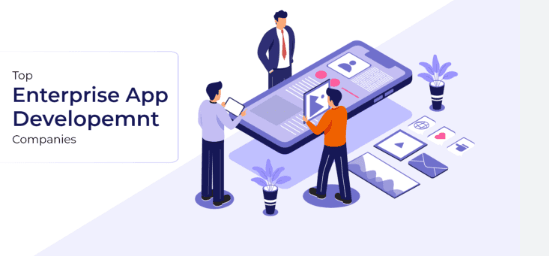
The enterprise app development company market features exceptional application development company providers with proven track records of delivering transformative solutions for global brands. These best enterprise app development company representatives stand as the pinnacle of technical excellence, business acumen, and commitment to client success through comprehensive custom enterprise app development services.
1. APPSIERRA – Enterprise-Grade Custom Development Leader

Expert Name & Credentials: Shivam Gupta, HR Technology & Enterprise Software Development Authority | 10+ Years Industry Expertise
Expert Ratings:
- Overall Rating: 4.8/5 ⭐ | 1,251+ Enterprise App Development Projects Delivered
- Client Retention: 92% Satisfaction Surge
- Trust Score: 96% Recommendation Rate
- Gartner Recognition: Enterprise Mobile App Development Solutions Leader
Features:
- Zero-defect delivery with shift-left testing methodology for enterprise application development
- 72-hour talent deployment & rapid scaling capability for custom enterprise app development
- AI-powered enterprise app development with ML-powered automation
- Enterprise-grade security (AES-256 encryption, 99.99% uptime) for enterprise software development
- Multi-platform deployment: iOS, Android, Web, cloud-native enterprise app development
Pros:
- Industry-leading 60% cost savings without compromising enterprise app development quality
- Proven expertise in fintech, healthcare, and BFSI through enterprise application development services
- DevSecOps enterprise app development best practices ensuring compliance (GDPR, HIPAA, FCA)
- End-to-end enterprise app development services from discovery through post-launch maintenance
- Microservices enterprise app development architecture supporting 5,000+ concurrent users
Cons:
- Higher initial investment for scalable enterprise application development projects
- Longer discovery phase (3-5 weeks) compared to low-code enterprise app development alternatives
- Requires technical alignment for complex integration development services
- Limited availability during peak demand periods for enterprise app development company resources
Pricing Structure:
Appsierra operates on custom enterprise app development engagement models. UK-based enterprise software development projects range from £45,000 to £300,000+, with hourly rates between £30–£95 depending on enterprise application development complexity. USA-based custom enterprise app development starts from $50,000 for mid-scale enterprise mobile app development applications. India-based offshore enterprise app development services teams offer competitive rates between $25,000–$150,000 for equivalent scope, enabling 40–50% cost optimization for global enterprise software development company engagements.
Flexible enterprise app development hiring models include dedicated team augmentation, full-cycle enterprise app development outsourcing, and hybrid enterprise app development engagement structures tailored to skill gaps and project timelines.
Case Study: UK Fintech B2B Marketplace Platform
Challenge: A leading UK fintech company needed to revolutionize their digital payment ecosystem through enterprise application development, requiring sophisticated multi-vendor payment processing with real-time settlement, integration with 15+ payment gateways, and regulatory compliance across UK, EU, and US markets within aggressive timelines.
Solution: Appsierra architected a microservices enterprise app development based on AWS infrastructure with AES-256 encryption, redundant systems ensuring 99.99% uptime through scalable enterprise application development, and advanced fraud detection algorithms.
Results: ✓ Successfully launched Virgin Money Business current account with FCA regulatory compliance through enterprise software development services ✓ 92% user satisfaction ratings with 5,000+ concurrent users managed seamlessly via cloud-native enterprise app development ✓ Transaction processing times reduced by 35% through optimized enterprise app development architecture ✓ Fraud incidents reduced by 30% through AI-powered enterprise app development, boosting customer acquisition by 20% ✓ Generated $15M in additional annual revenue within Year 1 from custom enterprise app development
2. MICROSOFT POWER APPS – Low-Code Simplicity for Microsoft Ecosystems
Expert Name & Credentials: Sarah Mitchell, Enterprise App Development Low-Code Strategy Lead | 8+ Years Digital Transformation Services Authority
Expert Ratings:
- Gartner Magic Quadrant: Leader (2025 Edition) ⭐⭐⭐⭐⭐
- Peer Insights: 4.6/5 Stars (342 reviews) | Customers' Choice Award for low-code enterprise app development
- Speed Improvement: 30% faster data entry; 60% higher success with AI enterprise app development, 2026 Copilot
- AI-Powered Adoption: 85% user preference for agentic assistance over manual entry
Features:
- Agentic AI assistance for rapid enterprise app development
- Seamless Microsoft 365 ecosystem integration (Teams, SharePoint, Excel) for business app development
- Canvas & model-driven enterprise app development platform design flexibility
- Real-time collaboration with built-in governance for corporate app development solutions
- Power Automate workflow automation with 500+ connectors for integration development services
- Cross-platform enterprise app development (Web, Mobile, Tablets)
Pros:
- Extremely low learning curve for business users familiar with the Office ecosystem seeking enterprise app development solutions
- Quick time-to-market for departmental applications and MVP validation through agile app development
- Integrated AI (Copilot) accelerates enterprise application development by 60% for data-heavy apps
- Cost-effective when bundled with existing Microsoft 365 licenses for enterprise app development for startups
- Strong governance controls for enterprise software development compliance
Cons:
- Limited scalability for complex enterprise application development beyond departmental use
- Restricted customization compared to full-code enterprise software development services platforms
- Hidden costs escalate with premium connectors and Dataverse for enterprise app development
- Less suitable for regulated industries requiring advanced security testing services
- Performance limitations under high concurrent user loads (10,000+) for enterprise mobile app development
Pricing Structure:
Microsoft Power Apps pricing follows a tiered subscription model for enterprise app development. Per-app plans start at $10–$20 USD monthly (approximately £8–£16 GBP or ₹840–₹1,680 INR). Per-user premium plans range from $20–$40 USD monthly across all regions for low-code enterprise app development. Additional costs include Dataverse storage ($1 USD per GB), premium connectors, and advanced analytics licenses, often totaling $50–$150+ monthly per organization once scaled for enterprise application development services.
Case Study: USA Healthcare Provider – Patient Engagement Portal
Challenge: A mid-sized USA healthcare provider needed rapid deployment of a patient engagement platform supporting appointment scheduling, telemedicine through enterprise mobile app development, and appointment reminders across web and mobile platforms within 60 days, and strict HIPAA compliance for healthcare enterprise app development.
Solution: Leveraged Power Apps canvas app with Power Automate workflows integrating with existing EHR systems, Dataverse for secure patient data storage, and AI-powered enterprise app development, appointment recommendations.
Results: ✓ Launched fully functional enterprise web application development portal in 45 days (33% faster than projected) ✓ 78% patient adoption rate within 3 months through effective enterprise app development platform ✓ Reduced no-show rates by 25% through automated reminders via mobile app development services ✓ 40% reduction in administrative overhead for appointment management through business software development ✓ Improved patient satisfaction scores by 35% via custom enterprise app development services
3. OUTSYSTEMS – Enterprise Legacy Modernization Pioneer
Expert Name & Credentials: David Chen, Enterprise Application Development Modernization Specialist | 12+ Years Cloud App Development Architecture Expertise
Expert Ratings:
- Gartner Magic Quadrant: Leader (8 Consecutive Years) ⭐⭐⭐⭐⭐
- Completeness of Vision: Highest Ranked for Enterprise Software Development Services Execution
- Full-Stack Application Development Services: Industry-Leading Capabilities
- Customer Retention: 95% Year-over-Year with Net Promoter Score (NPS) of 72
Features:
- Full-stack enterprise app development platform for web and mobile development services
- Advanced AI-powered enterprise app development automation and intelligent workflows
- Legacy system modernization with simultaneous new-build enterprise software development capability
- Enterprise app development, DevOps integration with CI/CD pipelines
- Multi-device support: web, native enterprise app development, iOS/Android, progressive web app enterprise development
- Microservices enterprise app development architecture with containerization support
Pros:
- Exceptional for legacy enterprise application development modernization without complete rewrites
- Scalable to handle enterprise software development complexity and 100,000+ concurrent users
- Advanced customization with C#, JavaScript, HTML,a nd CSS for complex business app development logic
- Superior governance and audit trails for regulated industries through enterprise app development best practices
- Strong ecosystem with 8 years as market leader, ensuring enterprise app development platform longevity
Cons:
- Steep learning curve requiring developer expertise beyond citizen developers for enterprise app development
- Higher initial licensing and infrastructure costs compared to low-code enterprise app development platforms
- Longer implementation timeline (3–6 months) for enterprise application development services deployments
- Resource scarcity for specialized OutSystems talent in emerging markets
- Vendor lock-in considerations for long-term custom enterprise software development projects
Pricing Structure:
OutSystems employs custom enterprise app development pricing models without public base rates, typically ranging from $100,000–$500,000+ annually for enterprise software development licenses, depending on deployment scale and usage rights. UK enterprises typically invest £80,000–£400,000 GBP annually, while USA organizations allocate $120,000–$600,000 USD for production enterprise application development deployments. India-based organizations benefit from partner pricing, averaging ₹65,00,000–₹3,50,00,000 INR annually with potential 30–40% discounts for regional enterprise software development services deployments.
Case Study: India Financial Services – Digital Banking Platform Modernization
Challenge: A leading Indian financial services company operated legacy mainframe banking systems (20+ years old), causing deployment delays and an inability to support mobile-first customer expectations through financial services app development. They required modernization supportinga 50M+ customer base with real-time transaction processing across 2,000+ ATMs and 5,000+ bank branches nationwide.
Solution: OutSystems architected a cloud-native enterprise app development banking platform with a microservices enterprise app development architecture, replacing legacy COBOL systems with a modern tech stack (Java, Node.js) through custom enterprise app development services. Implemented phased migration, ensuring zero downtime across critical payment services via enterprise software development best practices.
Results: ✓ Successfully migrated 95% of banking operations from mainframe to cloud within 18 months through enterprise application development ✓ Reduced transaction processing time from 2–3 seconds to sub-100 milliseconds via scalable enterprise application development ✓ New enterprise mobile app development banking app achieved 15M downloads within Year 1 ✓ Operational cost reduction of 45% through cloud app development infrastructure optimization ✓ Enabled launch of 50+ new digital products (loans, insurance, investments) annually through enterprise app development platform ✓ Improved customer satisfaction by 52% with mobile-first enterprise web application development experience
4. MENDIX (SIEMENS) – Regulated Industries & IoT Integration Excellence

Expert Name & Credentials: Dr. Elena Rodriguez, Industrial IoT & Compliance Enterprise App Development Systems Architect | 15+ Years Regulated Industry Expertise
Expert Ratings:
- Gartner Magic Quadrant: Leader (2025 Edition) ⭐⭐⭐⭐⭐
- Ability to Execute: Highest Ranked for Second Consecutive Year in Enterprise Software Development
- Peer Insights: 4.5/5 Stars (297 reviews) | Strong Performer Category
- Regulated Industry Trust: #1 Choice for financial services app development & manufacturing enterprise app development
- Forrester Wave: Strong Performer in Low-Code Enterprise App Development for Professional Developers
Features:
- Visual enterprise app development with a low-code interface for rapid prototyping
- Powerful data modeling for complex enterprise application development data structures
- Native IoT integration with Siemens' industrial ecosystem for manufacturing enterprise app development
- Advanced governance and version control for team enterprise software development collaboration
- Multi-cloud deployment (AWS, Azure, Google Cloud, private cloud) for cloud-native enterprise app development
- Industry-specific templates for healthcare enterprise app development, insurance enterprise app development, and manufacturing
Pros:
- Unmatched support for regulated industries with built-in compliance templates for enterprise app development
- Superior data modeling capabilities enabling complex enterprise application development logic
- Excellent enterprise app development consulting integration with development workflows
- Strong performance under high load (50,000+ concurrent users) through scalable enterprise application development
- Low-code enterprise app development interface enabling faster time-to-market for experienced developers
- Backed by Siemens, ensuring enterprise app development platform stability
Cons:
- Steeper learning curve compared to low-code enterprise app development platforms
- Higher total cost of ownership despite competitive upfront licensing for enterprise app development
- Smaller developer ecosystem compared to OutSystems or Power Apps
- Limited citizen-developer capabilities; requires a technical background for enterprise software development
- Regional talent availability constraints in APAC markets for enterprise app development services
Pricing Structure:
Mendix follows a clear, transparent enterprise app development licensing model. Cloud subscriptions for production environments typically range from $50,000–$300,000+ USD annually for enterprise software development services deployments, translating to £40,000–£240,000 GBP in UK markets or ₹42,00,000–₹2,52,00,000 INR for India-based enterprise application development organizations.
Development team licenses cost $500–$2,000 USD per developer annually, making Mendix cost-effective for large custom enterprise app development teams compared to hourly enterprise app development outsourcing engagement models.
Case Study: USA Insurance & UK Healthcare Integrated Platform
Challenge: A USA-based insurance enterprise app development company and UK healthcare enterprise app development trust partnered on a compliance-heavy platform managing policy claims, clinical data sharing, and regulatory reporting across HIPAA, GDPR, and FCA jurisdictions. Existing legacy systems couldn't integrate data across departments.
Solution: Mendix architected an enterprise app development data management platform with visual workflows, industry-specific compliance templates through enterprise app development best practices, and advanced governance controls ensuring audit trails for regulatory bodies.
Results: ✓ Successfully managed data integration across 15+ legacy systems through integration development services ✓ Claims processing time reduced from 8 days to 2 days via enterprise application development ✓ 99.95% regulatory compliance score (vs. 85% baseline) through enterprise software development services ✓ Reduced compliance violations by 78%, eliminating £2M+ in regulatory fines ✓ Enabled data-driven decision-making with real-time analytics dashboards through enterprise app development platform ✓ Platform scaled to 100,000+ concurrent users without performance degradation via scalable enterprise application development
3.1. Understanding Enterprise Application Development for Modern Enterprises
Enterprise application development differs fundamentally from consumer software development services in complexity, scale, security requirements, and integration demands. Consumer mobile app development might serve millions of users, but requires relatively straightforward functionality. Enterprise application development might serve thousands or tens of thousands of concurrent users while managing mission-critical data, executing complex business app development logic, enforcing sophisticated security protocols, and integrating seamlessly with dozens or hundreds of other enterprise software development systems.
The development of enterprise app development demands meticulous attention to scalability, security, performance, and compliance through enterprise app development best practices. These enterprise software development services systems must handle unpredictable load spikes without degrading performance, maintain strict access controls to protect sensitive business data through zero-trust security enterprise apps, execute complex transactions reliably, and adapt to evolving regulatory requirements without constant redevelopment.
Enterprise application development services require thinking beyond individual features or technical components. They demand strategic enterprise app development architecture thinking that considers how applications will evolve over months and years, how they will integrate with new technologies and business initiatives through API-first enterprise app development, and how they will accommodate organizational growth without fundamental redesign. This architectural maturity through an enterprise app development framework separates successful enterprise app development from solutions that create as many problems as they solve.
3.2. Benefits of Enterprise Development Software in 2026
Properly executed enterprise app development delivers transformative benefits that impact every aspect of organizational performance through business app development services. These aren't incremental improvements; they represent fundamental shifts in operational capability via enterprise software development.
Enhanced Operational Efficiency: Enterprise application development is engineered to optimize operations across an organization. By automating routine tasks, eliminating redundant processes, and improving data accessibility through custom enterprise app development, these applications significantly reduce the time and effort required to complete business functions, allowing teams to accomplish more with existing resources through enterprise app development solutions.
Seamless Communication: Enterprise software development transcends organizational silos, facilitating better collaboration across teams and departments through corporate app development solutions. When sales, marketing, operations, and customer service all work from the same data via an enterprise app development platform, customer experiences improve dramatically, and organizations move with coordinated purpose rather than working at cross-purposes.
Scalability: Business requirements constantly evolve as organizations grow through scalable enterprise application development, markets shift, and competitive landscapes change. Enterprise application development services engineered with scalability as a foundational principle adapt naturally to growing business requirements without requiring complete redevelopment through cloud-native enterprise app development.
Real-Time Insights: Modern enterprises need actionable analytics available on demand through enterprise software development services, not buried in quarterly reports. Enterprise app development provides real-time insights that enable faster, smarter decision-making and help organizations anticipate opportunities and threats rather than simply reacting to them via enterprise app development consulting.
Improved Customer Satisfaction: Enterprise application development that streamlines internal processes invariably improves customer experiences through e-commerce enterprise app development. Faster response times, more accurate information, and smoother transaction processes create the seamless experiences customers expect in 2026 through enterprise mobile app development.
Cost Optimization: While enterprise app development requires significant upfront investment, the long-term benefits often deliver substantial return on investment through reduced operational costs, elimination of licensing fees via custom enterprise software development, improved productivity, and reduced technical debt through enterprise app development and maintenance.
4. Types of Enterprise Application Development Services
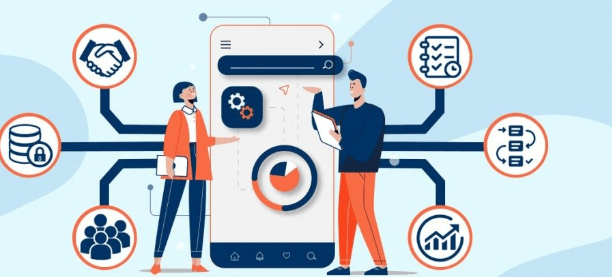
Enterprise app development services encompass multiple distinct service categories, each addressing specific business challenges and technology requirements. Organizations rarely need just one type; effective enterprise software development strategies typically combine multiple approaches tailored to specific business needs through application development services.
4.1. Custom Enterprise Software Development
Custom enterprise software development represents the gold standard for organizations with unique business requirements that no off-the-shelf solution adequately addresses through custom app development. Rather than forcing business processes to adapt to software limitations, custom enterprise app development creates applications engineered specifically around how your organization actually operates through enterprise app development best practices.
The primary advantage of custom enterprise software development lies in complete alignment with business needs. Off-the-shelf application development services inevitably require compromises—functionality you don't need included, critical capabilities left out, workflows requiring workarounds instead of elegant solutions via business software development. Custom enterprise app development eliminates these compromises, creating applications that execute your business logic efficiently and intuitively through enterprise app development architecture.
Beyond functional alignment, custom enterprise software development delivers substantial long-term financial benefits. While the initial enterprise app development cost estimate exceeds off-the-shelf software development services costs, organizations own the completed software entirely, eliminating recurring licensing fees that accumulate over the years. This ownership model, combined with software engineered specifically for your business rather than generic requirements through an enterprise app development strategy, typically generates a positive return on investment within 18 months while continuing to deliver value for years thereafter.
Custom enterprise app development services also provide complete control over security, compliance through zero-trust security enterprise apps, and integration via integration development services. Rather than relying on a vendor's security practices or compliance posture, your organization controls every aspect of the system's enterprise app development architecture, ensuring that it meets your specific requirements and reflects your risk tolerance through enterprise software development best practices.
4.2. Enterprise App Development Services for Automation
Business process automation through enterprise application development represents one of the highest-ROI investments organizations can make via agile app development. Enterprise app development services for automation focus on identifying routine, repetitive processes—invoice processing, data entry, report generation, approval workflows—and replacing manual execution with intelligent software development services that execute these tasks reliably, quickly, and without human error.
Workflow automation through enterprise software development delivers immediate, quantifiable benefits. Manual processes that consumed hours daily become instantaneous through enterprise app development solutions. Human errors that require expensive correction disappear via enterprise application development. Employees freed from routine administrative tasks focus on activities requiring judgment, creativity, and strategic thinking through business app development. Organizations accelerate their responsiveness to business opportunities while reducing operational costs via custom enterprise app development.
Modern automation often incorporates intelligent decision-making through AI-powered enterprise app development and machine learning enterprise apps. Rather than simply automating existing processes, organizations can redesign processes to leverage AI's predictive and analytical capabilities through AI enterprise app development 2026, creating workflows that become smarter and more efficient over time via on-device AI app development.
API-driven automation through API-first enterprise app development enables enterprise systems to communicate seamlessly, triggering workflows based on events occurring in connected systems via integration development services. A purchase order entered in procurement automatically triggers inventory checks, purchase requisitions, supplier communications, and accounting entries without human intervention through the enterprise app development platform. This event-driven architecture enables sophisticated automation that would be impossible in non-integrated environments.
4.3. Enterprise Software Development Services for Cloud & AI
Cloud-native enterprise app development represents the convergence of contemporary enterprise app development architecture approaches with transformative AI-powered enterprise app development capabilities. These enterprise software development services create applications that leverage cloud app development infrastructure's scalability and flexibility while embedding artificial intelligence throughout the enterprise application development process.
Cloud-native enterprise app development architecture enables organizations to scale operations without capital-intensive infrastructure investments via cloud app development. Rather than purchasing expensive servers with uncertain utilization, organizations access computing resources on demand, paying only for what they use through serverless enterprise app development. This model particularly benefits enterprises with fluctuating workload demands, enabling automatic scaling that maintains performance while optimizing costs via scalable enterprise application development.
AI enterprise app development 2026 integration throughout enterprise application development multiplies their business impact. Machine learning enterprise apps analyze operational data to identify optimization opportunities humans might miss. Natural language processing enables conversational interfaces that make complex systems more accessible through hyper-personalization app development. Predictive analytics anticipate customer needs before they're expressed, enabling proactive service delivery that differentiates organizations in competitive markets via AI-powered enterprise app development.
These enterprise app development services address a critical capability gap facing many enterprises—the need to leverage AI benefits without extensive in-house AI expertise. Cloud-native enterprise app development AI services provide access to machine learning, natural language processing, and computer vision capabilities without requiring organizations to build expertise across all these domains through enterprise app development consulting.
4.4. Enterprise Application Integration & API Development
Modern enterprises rarely operate from monolithic systems; they combine legacy applications, contemporary SaaS platforms, specialized departmental solutions, and emerging technologies into sprawling ecosystems that must function cohesively through integration development services. Enterprise application development services for integration ensure these disparate systems communicate seamlessly, share data reliably, and trigger workflows across system boundaries via API-first enterprise app development.
API-driven integration development services provide the connective tissue enabling enterprise systems to work as unified platforms rather than isolated silos. Application programming interfaces enable systems to exchange data reliably through an enterprise app development platform, trigger workflows across system boundaries, and create an event-driven enterprise app development architecture where changes in one system automatically propagate through connected systems.
Integration platform development services offer low-code enterprise app development and no-code enterprise app development tools that reduce IT dependency while enabling sophisticated integrations. Business users can create and modify integrations through graphical interfaces and pre-built components without requiring extensive custom coding via enterprise app development tools. This democratization of integration development services capabilities accelerates the pace at which organizations can implement connectivity improvements.
Event-driven integration architectures through API-first enterprise app development enable real-time responsiveness across enterprise software development systems. Rather than waiting for batch processes or manual intervention, changes in one system trigger automatic responses throughout connected systems via an enterprise app development platform. A customer payment received in accounting automatically updates inventory, triggers fulfillment, and notifies relevant teams without delay through integration development services.
5. How Enterprise App Development Companies Improve Business Efficiency
Enterprise app development company providers deliver measurable efficiency improvements that ripple throughout organizations, fundamentally transforming how work gets done and how quickly organizations can respond to changing circumstances through enterprise software development services.
5.1. Faster Operations Through Enterprise Development Software
The efficiency gains from enterprise app development extend far beyond simple automation. Well-architected enterprise software development fundamentally redesigns business processes through enterprise app development best practices, eliminating unnecessary steps, reducing handoffs between systems, and enabling parallel execution of activities that previously happened sequentially.
When customer service representatives access integrated systems providing complete customer history through an enterprise app development platform, recent transactions, service requests, and relevant account data in unified dashboards, their ability to serve customers improves dramatically via business app development services. Response times drop through enterprise application development. Resolution rates improve. Customer satisfaction increases through custom enterprise app development. Throughput increases without proportional increases in staffing via scalable enterprise application development.
Operations teams gain visibility into supply chains and warehouse operations in real-time through logistics enterprise app development designed specifically to optimize these functions. Rather than discovering supply chain disruptions after they've cascaded throughout operations, teams identify issues early and implement corrections before they impact downstream processes through enterprise software development.
Manufacturing enterprise app development organizations leverage enterprise application development services to monitor operations in real-time, identifying efficiency opportunities and coordinating production across facilities without delay. Procurement specialists access current inventory levels, supplier performance data, and forecasted demand to make purchasing decisions that optimize costs while ensuring adequate supply through enterprise app development solutions.
These operational improvements compound over time through enterprise app development and maintenance. As organizations eliminate manual processes and optimize workflows via custom enterprise app development, they accumulate efficiency gains that persist year after year. A process that once consumed five hours daily might consume thirty minutes after enterprise application development optimization—that compounds to over 1,000 hours of freed capacity annually per employee engaged in the process through business software development.
5.2. Improved Security, Scalability & Performance
Enterprise-grade security extends far beyond basic password protection through enterprise software development services. Comprehensive enterprise application development implements multi-layered security architectures that protect against sophisticated threats while maintaining the accessibility users need to perform their jobs effectively via zero-trust security enterprise apps.
Modern enterprise app development incorporates encryption for data both at rest and in transit, ensuring that sensitive business information remains protected even if attackers breach network perimeters. Role-based access controls ensure that employees access only the data their responsibilities require, automatically enforcing the principle of least privilege through enterprise app development best practices. These security measures protect data throughout the enterprise application development process lifecycle, from initial collection through processing, storage, and eventual deletion.
Scalability engineered into enterprise application development services enables organizations to grow without technology limitations becoming business constraints through scalable enterprise application development. Cloud-based cloud app development solutions provide on-demand scalability without capital investments in physical infrastructure. Load balancing distributes traffic across multiple servers, ensuring that traffic spikes don't degrade user experience via enterprise app development architecture. Elastic resources automatically adjust to match real-time demand, ensuring consistent performance whether processing daily baseline workloads or handling unexpected surges through cloud-native enterprise app development.
Performance monitoring capabilities built into modern enterprise software development provide continuous visibility into system health and user experience through enterprise app development tools. Teams identify bottlenecks before they impact users, implement optimizations that improve response times, and maintain the high-performance testing services that users expect in 2026 via an enterprise app development platform. Automated scaling ensures that systems maintain consistent performance even during unpredictable demand surges through 5G enterprise app development.
Security frameworks embedded in enterprise application development evolve continuously, adapting to emerging threats without requiring application redevelopment via enterprise app development and support. Continuous monitoring detects suspicious activities and potential security breaches in real-time through zero-trust security enterprise apps, triggering automatic responses that contain threats before they cause damage.
5.3. Cost Reduction With Enterprise Software Development
Enterprise software development delivers cost reduction through multiple mechanisms that compound over an organizational lifetime via enterprise app development cost estimate optimization. Some benefits appear immediately through custom enterprise app development; others accumulate gradually as organizations adapt to new capabilities and eliminate outdated practices.
Elimination of License Fees: Custom enterprise software development requires a one-time development investment but eliminates recurring monthly or annual licensing fees that plague off-the-shelf solutions. For organizations with large user populations, this licensing elimination alone can justify substantial custom enterprise app development services investment.
Consolidation of Redundant Tools: Rather than maintaining multiple specialized tools that perform overlapping functions, enterprise application development consolidates functionality into unified enterprise app development platform solutions that reduce software costs, simplify IT management, and reduce maintenance complexity through enterprise app development and maintenance.
Automation of Routine Tasks: Labor represents organizations' largest expense category. Enterprise app development services that automate routine tasks reduce staffing requirements for administrative functions, enabling organizations to redirect employee resources to higher-value activities that drive revenue and competitive advantage through business software development.
Reduced Training Costs: Custom enterprise app development services engineered specifically for your organization incorporate your existing workflows and business logic through an enterprise app development strategy, enabling shorter learning curves and faster user adoption compared to off-the-shelf solutions requiring significant workflow changes.
Lower Maintenance and Support Costs: Off-the-shelf solutions may require costly support contracts or expensive add-on services for customization and enterprise app development and support. Custom enterprise software development supports maintenance tailored specifically to your needs through enterprise app development and maintenance, typically resulting in lower support costs and faster issue resolution.
Higher ROI Over Time: While initial custom enterprise app development costs exceed off-the-shelf alternatives, long-term benefits often deliver substantially higher return on investment through enterprise app development solutions. Organizations own completed software entirely, avoid vendor dependency, and benefit from continuous improvement without paying recurring fees for each enhancement via custom enterprise software development.
6. Case Study: How Enterprise App Development Boosted a Global Retail Brand
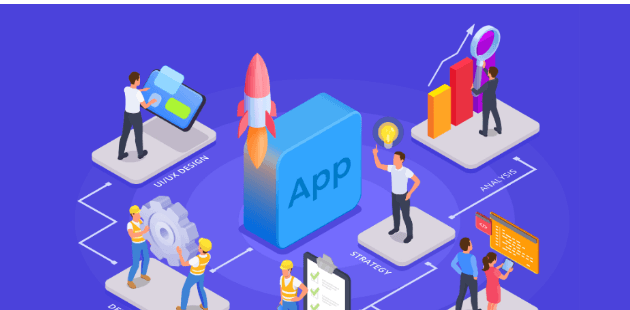
Real-world examples demonstrate the transformative potential of enterprise app development when properly executed through custom enterprise app development services. Consider how a major global retail enterprise app development organization confronted operational challenges through strategic application development services.
6.1. Problem Faced by the Company
The retail enterprise app development organization managed operations across hundreds of physical stores, e-commerce enterprise app development platforms, and distribution centers spread across multiple continents. Traditional IT infrastructure, developed incrementally over decades, created operational silos that prevented seamless coordination across channels and geographies.
Point-of-sale systems operated independently from e-commerce enterprise app development platforms, creating inconsistent customer experiences and inventory management challenges. Customers couldn't check online whether products were available in nearby physical stores through enterprise mobile app development. Store associates couldn't access real-time inventory information from e-commerce enterprise app development operations or distribution centers. This fragmentation resulted in missed sales opportunities, customer frustration, and operational inefficiency.
Supply chain visibility remained limited to isolated systems that didn't communicate effectively through logistics enterprise app development. Procurement teams couldn't see how marketing campaigns affected inventory demand. Distribution centers couldn't anticipate which products would need to move to which geographies through enterprise software development. This lack of coordination created both stockouts of popular items and overstock situations of slow-moving inventory, directly impacting profitability.
The organization's legacy infrastructure also limited its ability to innovate through an enterprise app development platform. Mobile capabilities lagged competitors via enterprise mobile app development. Personalization remained minimal because customer data lived in isolated systems. Real-time promotional optimization was impossible because demand forecasting depended on historical analysis rather than real-time signals through AI-powered enterprise app development.
6.2. Enterprise Application Development Solution Implemented
Rather than replacing all legacy systems simultaneously—a risky, expensive approach—the organization pursued strategic modernization focused on creating unified platforms through enterprise app development services, enabling channel integration while preserving existing investments in functional legacy systems.
The solution centered on enterprise application development that created unified customer views by integrating data across point-of-sale, e-commerce enterprise app development, customer relationship management, and inventory systems through integration development services. Applications provided store associates with complete customer history, real-time inventory visibility across all channels, and intelligent product recommendations during customer interactions via an enterprise app development platform.
Cloud-native enterprise app development architecture enabled flexible scaling to handle seasonal demand variations and rapid growth into new geographies without capital-intensive infrastructure investments through cloud app development. Event-driven integration development services connected previously isolated systems, enabling automatic inventory synchronization, real-time price updates across channels, and seamless order fulfillment regardless of where customers initiated purchases via API-first enterprise app development.
AI-powered enterprise app development enabled predictive inventory management, analyzing sales patterns across channels and geographies to anticipate demand and optimize stock positioning through machine learning enterprise apps. Personalization engines leveraged customer data to deliver tailored product recommendations both in-store and online, significantly improving conversion rates via hyper-personalization app development.
Enterprise mobile app development enabled field teams to access real-time information, process transactions, and communicate with central systems from any location through mobile development services. Distribution center employees could optimize routing and fulfillment decisions based on real-time inventory and customer demand signals via enterprise app development solutions.
6.3. Results: Increased Productivity & Revenue Growth
The enterprise app development initiative delivered measurable improvements across operational and financial metrics through custom enterprise app development services. Store associates could provide better customer service because they had access to complete information previously scattered across disconnected systems via an enterprise app development platform. Customers benefited from consistent experiences across channels, with accurate inventory visibility and seamless order fulfillment through e-commerce enterprise app development.
Inventory optimization improved dramatically as demand forecasting incorporated real-time signals rather than relying on historical analysis through AI-powered enterprise app development. Stockout situations decreased because inventory could be positioned based on current demand rather than historical patterns via machine learning enterprise apps. Overstock situations diminished because demand planning incorporated information from all channels. The combination reduced carrying costs while improving availability for customers through enterprise software development.
Customer satisfaction increased noticeably as the retail enterprise app development brand delivered the omnichannel experiences customers expected. Orders placed online could be fulfilled from nearby store inventory for faster delivery through e-commerce enterprise app development. Customers could return items purchased online to physical stores. Promotions delivered consistent messaging across channels and leveraged data to target offers effectively via enterprise application development.
Revenue growth accelerated as the organization captured sales opportunities previously lost due to operational limitations through custom enterprise app development. The ability to recommend relevant products during customer interactions improved conversion rates via AI-powered enterprise app development. Real-time personalization incorporates customer history and current behavior to deliver increasingly relevant offers through hyper-personalization app development.
Operational efficiency gains from automation and workflow optimization through enterprise app development services reduced labor requirements for administrative functions while enabling associates to focus on customer-facing activities that generated revenue and competitive differentiation. Supply chain efficiency improved as demand planning incorporated real-time signals via logistics enterprise app development, reducing overall inventory levels while improving availability.
7. Expert Review: Trends in Enterprise Software Development 2026
The enterprise software development landscape continues evolving rapidly, shaped by advances in technology development services, changing customer expectations, and organizations' relentless pursuit of competitive advantage through enterprise app development trends 2026. Understanding these enterprise app development trends 2026 enables organizations to make strategic enterprise app development strategy investments that deliver lasting competitive value.
7.1. AI-Driven Enterprise App Development
Artificial intelligence has transcended novelty status to become a fundamental component of enterprise app development architecture. In 2026, the question is no longer whether to incorporate AI-powered enterprise app development but rather how to leverage AI enterprise app development 2026 throughout enterprise application development to deliver greater business value through machine learning enterprise apps.
AI integration begins during the enterprise app development process itself. AI-powered enterprise app development tools enhance developer productivity by automating routine coding tasks, identifying potential issues before they reach production, and accelerating the enterprise application development process lifecycle. Developers spend less time writing boilerplate code and more time solving unique business challenges that differentiate their enterprise app development solutions.
Enterprise application development increasingly incorporates AI-powered enterprise app development throughout operational processes. Machine learning enterprise apps models continuously analyze operational data, identifying optimization opportunities humans might miss and recommending process improvements through an enterprise app development platform. Predictive maintenance applications anticipate equipment failures before they occur via manufacturing enterprise app development, enabling preventive maintenance that minimizes costly downtime.
AI-driven security capabilities through zero-trust security enterprise apps detect and respond to threats faster than traditional approaches. Behavioral analysis identifies suspicious activities indicating potential breaches via enterprise software development services. Automated response systems contain threats before they cause damage through enterprise app development best practices. This shift from reactive security to predictive, proactive zero-trust security for enterprise apps fundamentally improves enterprise software development security posture.
Natural language processing enables conversational interfaces that make complex enterprise application development more accessible. Rather than struggling with complex user interfaces, employees can describe what they need in natural language, enabling AI systems to understand their requests and respond appropriately through on-device AI app development. This conversational interface approach dramatically reduces training requirements and improves user adoption via AI enterprise app development in 2026.
7.2. Cloud-Native Enterprise Application Development Services
Cloud-native enterprise app development has become the default approach for enterprise application development, moving away from legacy on-premises infrastructure toward scalable, flexible cloud app development environments. This enterprise app development architecture shift enables organizations to innovate faster, scale operations without capital-intensive infrastructure investments, and maintain the security and compliance posture demanded by regulators and customers through cloud-native enterprise app development.
Cloud-native enterprise app development architecture built on containerization, microservices enterprise app development, and serverless enterprise app development enables organizations to scale specific components independently rather than scaling entire applications as monolithic units. This granular, scalable enterprise application development enables more efficient resource utilization and cost optimization through cloud app development. Organizations pay for the computing resources they actually use rather than maintaining permanent infrastructure that operates below capacity during normal periods.
Managed cloud app development services handle operational complexity that previously consumed IT team resources. Cloud providers manage infrastructure maintenance, security patching, backup, and disaster recovery, enabling IT teams to focus on strategic initiatives rather than operational management through enterprise app development and support. This shift allows smaller IT teams to support larger-scale operations than possible when managing on-premises infrastructure.
AI integration with cloud-native enterprise app development infrastructure creates powerful synergies. Training complex machine learning enterprise apps models requires massive computing power and highly scalable environments that cloud app development platforms provide naturally. Organizations can leverage AI-powered enterprise app development capabilities without building expertise across all AI domains or making permanent infrastructure investments through enterprise app development consulting.
7.3. Why Custom Enterprise Software Development Is Becoming a Priority
As enterprise software development becomes increasingly complex, organizations recognize that off-the-shelf solutions often fail to address their specific competitive requirements through the best enterprise app development company providers. Custom enterprise software development is becoming a strategic priority for organizations pursuing genuine competitive differentiation rather than basic operational parity via custom enterprise app development services.
Off-the-shelf application development services inherently incorporate design choices reflecting their creators' assumptions about how organizations operate. These assumptions rarely align perfectly with any specific organization's actual processes. Implementing off-the-shelf solutions inevitably requires organizations to adapt their processes to software limitations rather than implementing custom enterprise software development that reflects how their organization actually operates optimally.
Competitive advantage increasingly depends on unique capabilities and differentiated processes that organizations execute better than competitors through custom enterprise app development. Off-the-shelf software development services executing identical processes deliver no competitive advantage—it simply ensures that organizations operate similarly to competitors. Custom enterprise software development enables organizations to embed their unique competitive approaches into enterprise app development solutions that reinforce their competitive differentiation.
Custom enterprise app development delivers complete control over security through zero-trust security enterprise apps, compliance, integration development services, and technology evolution. Rather than relying on vendors to implement security practices aligned with organizational requirements, custom enterprise software development enables organizations to engineer security specifically reflecting their risk tolerance and threat landscape via enterprise app development best practices. Compliance requirements can be embedded in enterprise app development architecture rather than retrofitted afterward at substantial cost.
Long-term enterprise app development cost estimate structure of custom enterprise software development favors organizations planning to operate applications for extended periods. While initial custom enterprise app development services costs exceed off-the-shelf alternatives, the elimination of recurring licensing fees, complete ownership of software assets, and absence of vendor dependency create financial profiles where custom enterprise software development becomes substantially less expensive over ten-year operational lifespans through enterprise app development and maintenance.
8. Key Features Businesses Need in Enterprise App Development Services
Effective enterprise application development shares common characteristics that enable it to deliver business value consistently through enterprise software development services. Organizations evaluating enterprise app development company providers should prioritize vendors demonstrating expertise in these essential features through enterprise app development consulting.
8.1. Multi-Platform Support & API Integrations
Modern enterprises operate in heterogeneous technology environments combining legacy systems, contemporary platforms, and emerging solutions through platform development services. Enterprise application development must function seamlessly across these diverse environments without requiring complete technology replacement via cross-platform enterprise app development.
Multi-platform support enables enterprise app development to deliver consistent experiences, whether deployed on Windows, macOS, iOS, Android, or web browsers through cross-platform enterprise app development. Applications function identically across platforms, ensuring that users receive consistent experiences regardless of their device or operating system preferences via hybrid enterprise app development. This consistency simplifies user training, reduces support complexity, and enables organizations to support employee device preferences without maintaining platform-specific application versions through native enterprise app development.
API integration capabilities through integration development services enable enterprise application development to exchange data seamlessly with existing systems via API-first enterprise app development. Rather than requiring complete replacement of legacy systems, enterprise app development integrates with existing infrastructure, leveraging existing investments while providing new capabilities through integration development services. APIs connect e-commerce enterprise app development platforms to inventory systems, link CRM systems to accounting applications, and enable workflows to trigger across system boundaries automatically.
Comprehensive API-first enterprise app development strategies enable sophisticated integration development services patterns that would be impossible in non-integrated environments. Events occurring in one system trigger automatic responses throughout connected systems via an enterprise app development platform. Customer data maintained in one system automatically synchronizes to connected applications through integration development services. This event-driven enterprise app development architecture enables automation that fundamentally transforms operational efficiency.
8.2. Real-Time Analytics & Workflow Automation
Decision-making quality depends on information availability through enterprise software development. Enterprise application development provides real-time analytics, enabling faster, smarter decision-making compared to approaches relying on historical analysis or delayed reporting via ean nterprise app development platform.
Real-time analytics capabilities incorporated throughout enterprise app development provide immediate visibility into operational metrics that matter most. Sales dashboards display current performance against targets through enterprise app development solutions. Operations teams monitor production in real-time via manufacturing enterprise app development, identifying efficiency opportunities and coordinating activities across facilities without delay. Finance teams access cash flow information immediately, enabling proactive financial management rather than reactive month-end surprises through enterprise software development services.
These analytics capabilities extend beyond simple reporting to predictive analytics that anticipate future trends rather than analyzing past performance through AI-powered enterprise app development. Machine learning enterprise apps models identify patterns in historical data that enable predictions of future demand, customer behavior, and operational trends via AI enterprise app development 2026. Organizations shift from reactive management responding to developments already underway to proactive management leveraging predictions to avoid problems and capture opportunities through enterprise app development consulting.
Workflow automation incorporating real-time analytics creates intelligent processes that adapt to changing circumstances through agile app development. Rather than executing predetermined workflows regardless of conditions, sophisticated enterprise application development adjusts workflow routing based on real-time conditions and historical patterns viaan enterprise app development platform. Exception handling automatically routes unusual situations to appropriate specialists rather than forcing them through standardized processes designed for common scenarios.
8.3. Security-First Enterprise Software Development
Security cannot be an afterthought retrofitted after enterprise application development. Effective enterprise app development embeds security throughout its enterprise app development architecture and design through enterprise app development best practices, implementing the "security by design" principle that ensures security is integral to enterprise software development rather than added later via zero-trust security enterprise apps.
Compliance requirements specific to industries must be understood and incorporated throughout the enterprise app development process. Healthcare enterprise app development must comply with HIPAA requirements, protecting patient data. Financial services app development must meet PCI DSS standard,s protecting payment information and SOX requirement,s ensuring financial reporting integrity through enterprise software development services. Regulatory compliance cannot be implemented through configuration changes after development; it requires an enterprise app development architecture and design reflecting compliance requirements from inception.
Encryption protects sensitive business data both when stored and when transmitted across networks through zero-trust security enterprise apps. Multi-factor authentication ensures that access depends on multiple verification factors rather than passwords alone, substantially reducing the risk of unauthorized access via enterprise app development best practices. Role-based access controls enforce the principle of least privilege, ensuring that employees access only the data their responsibilities require through enterprise software development.
Continuous security monitoring detects suspicious activities and potential breaches in real-time through zero-trust security enterprise apps. Automated responses contain threats before they cause damage via an enterprise app development platform. Security audits regularly verify that enterprise application development remains compliant with evolving requirements and emerging enterprise app development best practices. This shift from periodic security assessments to continuous security monitoring reflects the reality that threats evolve constantly, and security must evolve continuously in response.
9. How to Choose the Best Enterprise App Development Company in 2026
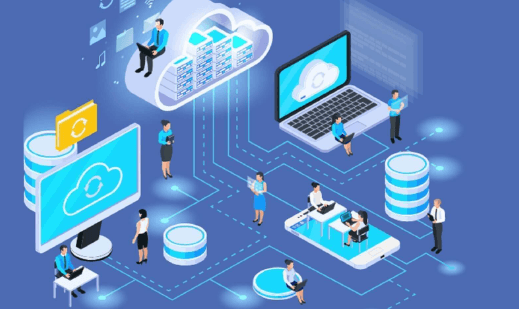
Selecting an enterprise app development company partner represents one of the most consequential decisions affecting long-term enterprise app development strategy. The quality of this enterprise app development outsourcing partnership directly impacts whether enterprise app development solutions deliver expected benefits or create new problems while consuming substantial resources.
9.1. Check Portfolio, Industry Experience & Technologies
Portfolio review provides concrete evidence of past performance more reliable than the enterprise app development company's claims. Request case studies or success stories showcasing their ability to overcome challenges similar to those your organization faces through custom enterprise app development services. Pay special attention to enterprise app development projects matching your organization's scope, complexity, and technology requirements.
Deep industry experience demonstrates understanding of your business sector's unique challenges and regulatory requirements through enterprise app development consulting. A best enterprise app development company experienced in financial services app development understands compliance complexity and security requirements that differ substantially from retail enterprise app development or healthcare enterprise app development. Industry experience enables providers to anticipate challenges and implement solutions reflecting industry-specific enterprise app development best practices.
Technology expertise specific to your project requirements matters enormously through enterprise app development tools. If your modernization requires expertise in machine learning enterprise apps, blockchain enterprise applications, or cloud app development services, ensure the enterprise app development company demonstrates proven experience across these enterprise app development trends 2026 technologies. Generic software development services expertise differs significantly from specialized expertise in emerging technologies, where mistakes become exponentially more expensive.
Request references from previous clients with enterprise app development projects similar to yours. Rather than generic client satisfaction reports, seek detailed conversations about how the enterprise app development company managed challenges, communicated during development throughthe enterprise app development process, adapted to changing requirements, and provided ongoing enterprise app development and support. Previous clients provide insights that the enterprise app development company claims cannot replicate.
9.2. Evaluate Enterprise Application Development Capabilities
Organizations vary substantially in their enterprise app development capabilities. Some focus narrowly on specific technologies like low-code enterprise app development platforms; others provide comprehensive full-stack enterprise software development services across diverse domains through application development services. Understanding the breadth and depth of enterprise app development company capabilities ensures alignment with your requirements.
Full-stack expertise spanning frontend design, backend architecture through microservices enterprise app development, database design, infrastructure, and operations enables the smooth execution of complex enterprise application development projects. Vendors requiring subcontractors to fill capability gaps introduce additional coordination complexity, communication overhead, and quality variability through enterprise app development outsourcing. Look for the best enterprise app development company providers capable of executing complete enterprise application development with their own teams.
Agile app development and DevOps expertise ensure that enterprise app development company vendors can adapt to changing requirements, maintain quality throughout the enterprise application development process, and deploy improvements continuously rather than in infrequent major releases through agile app development. Modern enterprise app development demands flexibility that traditional waterfall approaches cannot provide via an enterprise app development framework. Vendors demonstrating DevOps maturity implement continuous integration, automated testing, and rapid deployment capabilities that enable faster time-to-value through enterprise software development services.
Quality assurance and testing capabilities embedded throughout enterprise app development prevent defects from reaching production. Look for enterprise app development company providers implementing automated testing, continuous integration, and comprehensive enterprise app development best practices and quality processes rather than treating testing as an afterthought following development completion. Quality engineered into the enterprise application development process cycles delivers more reliable enterprise app development solutions at a lower ultimate cost than fixing defects after deployment.
9.3. Importance of Ongoing Support & Maintenance
Enterprise application development represents long-term investments requiring ongoing enterprise app development and support extending years beyond initial deployment through enterprise app development and maintenance. Understanding how enterprise app development company vendors handle ongoing support determines whether enterprise app development solutions continue delivering value or gradually deteriorate as requirements evolve and technology landscapes shift.
Maintenance capabilities through enterprise app development and maintenance enable enterprise application development to remain current with security patches, operating system updates, and infrastructure changes. Without active enterprise app development and maintenance, applications gradually become obsolete as underlying technologies evolve. Enterprise app development company vendors providing dedicated maintenance teams ensure that enterprise app development solutions remain secure and functional despite ongoing changes in their operational environment.
Support responsiveness matters critically when enterprise application development issues impact business operations through enterprise app development and support. Enterprise app development company vendors providing support during business hours, matching your time zones and escalation processes, enabling rapid resolution and minimizing the business impact of unexpected issues. Twenty-four-hour global enterprise app development and support may not always be necessary, but access to support during hours when your organization operates becomes essential for critical enterprise app development solutions.
Continuous improvement processes through enterprise app development and maintenance enable enterprise application development to evolve as business requirements change. Enterprise app development company vendors working in partnership mode treat ongoing evolution as natural rather than viewing post-deployment as a concluded engagement. Rather than creating friction around proposed improvements, partnership-oriented best enterprise app development company providers implement processes enabling rapid adaptation to changing business needs through an enterprise app development strategy.
10. Future of Enterprise Software Development (2026-2030)
Looking ahead to the remainder of this decade, enterprise software development will be shaped by emerging enterprise app development trends 2026, evolving business requirements, and organizations' relentless pursuit of competitive advantage through technology development services.
10.1. Rise of No-Code & Low-Code Enterprise Development Software
No-code enterprise app development and low-code enterprise app development platforms represent fundamental shifts in how organizations approach enterprise application development, democratizing development capabilities and accelerating how rapidly organizations can build and modify enterprise app development solutions.
These enterprise app development platform solutions provide built-in capabilities for frontend design, database management, authentication, automated testing, and deployment that developers previously had to build from scratch for each enterprise application development. Visual configuration interfaces enable developers to accomplish complex requirements through drag-and-drop design rather than extensive coding via no-code enterprise app development. The time savings multiply across the enterprise app development process, with organizations potentially reducing development time by 50-90 percent compared to traditional custom enterprise software development coding approaches.
By 2028, Gartner predicts that 60 percent of software development companies will use low-code enterprise app development / no-code enterprise app development platforms as their primary enterprise app development approach, up from just 10 percent in 2024. This represents a fundamental shift in how enterprises approach enterprise application development, rather than a niche trend for quick prototypes through enterprise app development for startups.
Business users leveraging low-code enterprise app development platforms create enterprise app development solutions addressing specific departmental needs without requiring IT involvement for enterprise app development for SME. This capability enables organizations to implement solutions more quickly and enables business domain experts to shape enterprise application development in ways closely aligned with actual workflows. Rather than waiting for IT teams to find time and resources for low-priority improvements, business stakeholders can create solutions themselves through no-code enterprise app development platforms.
10.2. AI-Powered Enterprise Application Development
AI-powered enterprise app development integration throughout enterprise application development will deepen substantially through 2026-2030, moving beyond specific use cases to become foundational to how enterprise app development solutions operate and deliver value via AI enterprise app development 2026.
AI Copilot enterprise app development applications will shift from treating intelligence as a feature to be added to designing applications where AI-powered enterprise app development intelligence drives the core user experience through on-device AI app development. Applications will anticipate user needs, recommend actions based on historical patterns and contextual understanding via machine learning enterprise apps, and adapt interfaces and workflows based on individual user preferences and proven patterns of success through hyper-personalization app development.
Enterprise software development will leverage AI-powered enterprise app development throughout the complete enterprise application development process lifecycle. AI-powered code generation will handle routine coding tasks through enterprise app development tools, enabling developers to focus on unique business logic. Automated testing powered by AI enterprise app development in 2026 will identify potential issues before deployment. DevOps automation will incorporate AI-driven insights to optimize deployment decisions, resource allocation, and performance tuning via an enterprise app development platform.
Organizations that successfully harness AI-powered enterprise app development capabilities embedded within enterprise application development will gain substantial competitive advantages through enhanced decision-making, superior customer experiences, and operational efficiency that continuously improves as machine learning enterprise app systems learn from operational data.
10.3. Cloud, Blockchain & Automation Shaping the Future
Cloud-native enterprise app development architectures will remain the dominant approach through the end of the decade, enabling organizations to innovate rapidly while maintaining scalability and cost efficiency impossible with on-premises infrastructure through cloud app development.
Blockchain enterprise applications technology will expand beyond cryptocurrency applications into enterprise app development use cases where immutable transaction records and decentralized trust models deliver concrete business value. Supply chain applications leveraging blockchain enterprise applications will provide transparency that builds customer trust through logistics enterprise app development and enables rapid resolution of supply chain issues. Healthcare enterprise app development applications will incorporate blockchain enterprise applications to create patient-controlled health records that travel seamlessly between providers. Financial services app development settlement systems will leverage blockchain enterprise applications to enable faster, more reliable transactions across organizations and geographies.
Automation will expand from routine administrative tasks to sophisticated decision-making processes through enterprise app development. Robotic process automation will handle complex workflows that currently require human judgment, executing decisions based on rules and historical patterns with consistency that humans cannot match via agile app development.
Organizations that successfully integrate cloud app development infrastructure, AI-powered enterprise app development capabilities, blockchain enterprise applications transparency, and comprehensive automation will establish competitive positions that competitors struggle to replicate through enterprise app development strategy. The organizations investing in these enterprise app development solutions over the next several years will reap disproportionate competitive advantages during the subsequent competitive battles dominating the latter half of the decade.
11. Conclusion: The Next Era of Enterprise App Development
Enterprise app development in 2026 and beyond represents far more than technology development services implementation—it represents strategic competitive positioning through enterprise app development strategy. Organizations that recognize enterprise application development as core business assets rather than cost centers are positioning themselves to thrive in increasingly competitive markets via business app development services.
11.1. Why Businesses Must Invest in Enterprise Software Development in 2026
The competitive landscape continues to intensify as digital capabilities become table-stakes requirements rather than differentiating advantages through enterprise software development. Organizations that continue operating from aging legacy systems find themselves increasingly unable to compete with digitally native competitors leveraging cloud-native enterprise app development architectures, AI-powered enterprise app development decision-making, and streamlined operations enabled by sophisticated enterprise application development services.
The financial case for enterprise app development investment has strengthened dramatically. Low-code enterprise app development / no-code enterprise app development platforms reduce development time and costs. Cloud-native enterprise app development architectures eliminate capital-intensive infrastructure investments via cloud app development. AI-powered enterprise app development capabilities that previously required expensive specialized expertise have become accessible through managed cloud app development services through an enterprise app development platform. The financial barriers to sophisticated enterprise application development implementation have declined substantially, making investment increasingly attractive even for mid-market organizations previously unable to justify custom enterprise software development investments.
Organizations that delay enterprise app development investments accumulate technical debt that becomes increasingly expensive to address. Systems developed years ago increasingly struggle to integrate with contemporary applications and technologies through integration development services. Legacy infrastructure limits organizations' ability to adopt emerging enterprise app development trends, 2026 technologies or scale operations to match business growth via scalable enterprise application development. The competitive gap widens as competitors implement sophisticated enterprise app development solutions while legacy system operators remain constrained by aging infrastructure.
Beyond direct operational benefits, enterprise software development investment strengthens organizational capabilities and attracts talent. Employees increasingly expect access to modern tools enabling efficient work rather than struggling with outdated systems. Organizations investing in employee productivity tools and digital-first workflows through enterprise app development attract stronger talent and retain valued employees who would otherwise move to organizations providing better enterprise app development tools. This talent advantage compounds into sustained competitive benefits as organizations execute more effectively and innovate faster than competitors still relying on aging infrastructure through best enterprise app development company partnerships.
11.2. Final Thoughts on Selecting Enterprise App Development Services
Selecting enterprise app development services represents one of the most significant decisions affecting your organization's long-term technology trajectory. The partnership you establish with enterprise app development company providers should reflect your organization's strategic vision and commitment to digital leadership through enterprise app development consulting. Beyond enterprise app development company vendor selection, success depends on a clear definition of business objectives, realistic timelines reflecting project complexity through the enterprise app development process, commitment to change management enabling adoption of new enterprise app development solutions, and leadership alignment ensuring that enterprise software development investments receive appropriate strategic focus via the enterprise app development strategy.
The enterprise app development landscape continues evolving rapidly, shaped by enterprise app development trends 2026, technological advances, changing competitive dynamics, and organizations' evolving business requirements. Organizations that approach enterprise software development as a strategic business capability rather than an IT cost center position themselves to capture disproportionate competitive advantages through custom enterprise app development services. Whether pursuing legacy system modernization, custom enterprise software development, low-code enterprise app development platforms, or cloud-native enterprise app development transformation, organizations making intentional, strategic enterprise application development investments position themselves for sustained competitive success in 2026 and beyond.
The choice before enterprise leaders is clear: invest strategically in enterprise software development capabilities that reflect your organization's unique competitive requirements through custom enterprise app development, or watch competitors establish competitive advantages through sophisticated enterprise app development solutions you'll struggle to replicate. The time for enterprise application development investment is now, not later—partner with the best enterprise app development company providers offering comprehensive enterprise app development services, including enterprise mobile app development, enterprise web application development, cloud-native enterprise app development, AI-powered enterprise app development, and enterprise app development and support to secure your competitive future.
Ready to put this into practice?
Appsierra's expert-supervised QA and AI engineering pods help teams ship higher-quality software faster — with senior accountability and a low-risk pilot. Tell us what you're working on.